 Visit Lisbon Guide
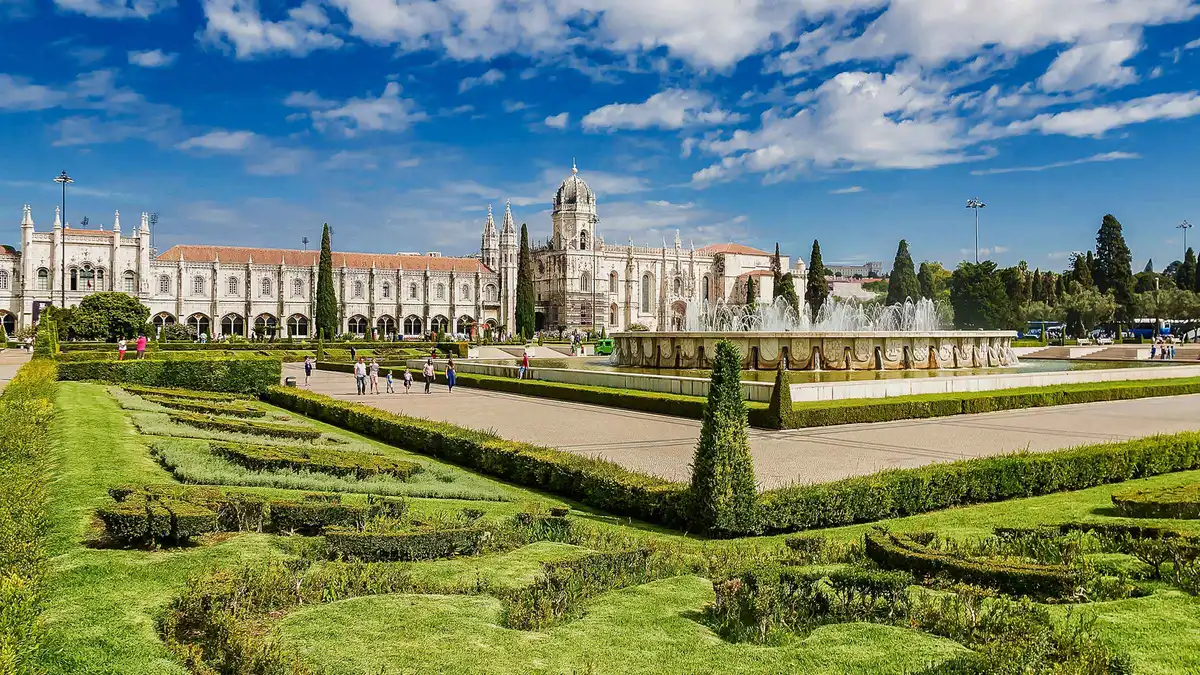 from €18
Lisbon: Jerónimos Monastery Entrance Ticket
listed at $20.85
Plain entry ticket to the 16th-century Manueline monastery in Belém. The official shop sells the same ticket — compare before booking.
Check AvailabilityLisbon, Portugal is a city where the funiculars are closed, the free museum Sunday is gone and the Belém Tower has just come back with timed slots — and most guides still describe the version from 2023. This one prints the official price, the opening day and the date it was checked beside every fact, so you know which Lisbon you are booking.
Checked 29 August 2026: Jerónimos Monastery €18 (about $21) for the cloister, church free; Belém Tower €15 (about $18) with a timed slot since its 27 May 2026 reopening; São Jorge Castle €17 (about $20); Pena Palace in Sintra €45 (about $53) park and palace, with no late tolerance on the slot. The Glória, Bica and Lavra funiculars and the Santa Justa lift have been closed since the 3 September 2025 derailment and carris.pt prints no reopening date. Three nights covers the city; four to seven if Sintra and the coast are in the plan.
Key takeaways
The five hubs of this Lisbon guide, each with the three dated facts that decide it.
Every landmark ranked with its official adult price and closed day on the card, numbered to a map: the full ranked list of Lisbon attractions.
Official price beside the reseller price for Jerónimos, Belém Tower, the castle and the Lisboa Card: Jerónimos timed entry, Belém Tower slots, whether the Lisboa Card pays off.
Seven areas measured by hills, noise and walk minutes to the river, and the one to pick for a first visit: neighbourhoods compared. Start with Alfama if mornings matter more than evenings.
Each town gets a train column beside the tour cards, so you see where DIY wins: Sintra, Cascais, Évora and Porto by train or by tour.
Itineraries with the Belém morning already placed, the month chart in Celsius from IPMA normals, and Metro, trams and the airport. Read the three-day plan first; most people end up on it.
Lisbon divides into hills and one riverfront strip, and the useful plan is a district a session rather than a list of sights. These six are what a first visit actually walks; a single Carris and Metro ticket is €1.90 (about $2.20), or €1.72 with zapping on a navegante card, and nothing here is more than forty minutes from anything else.
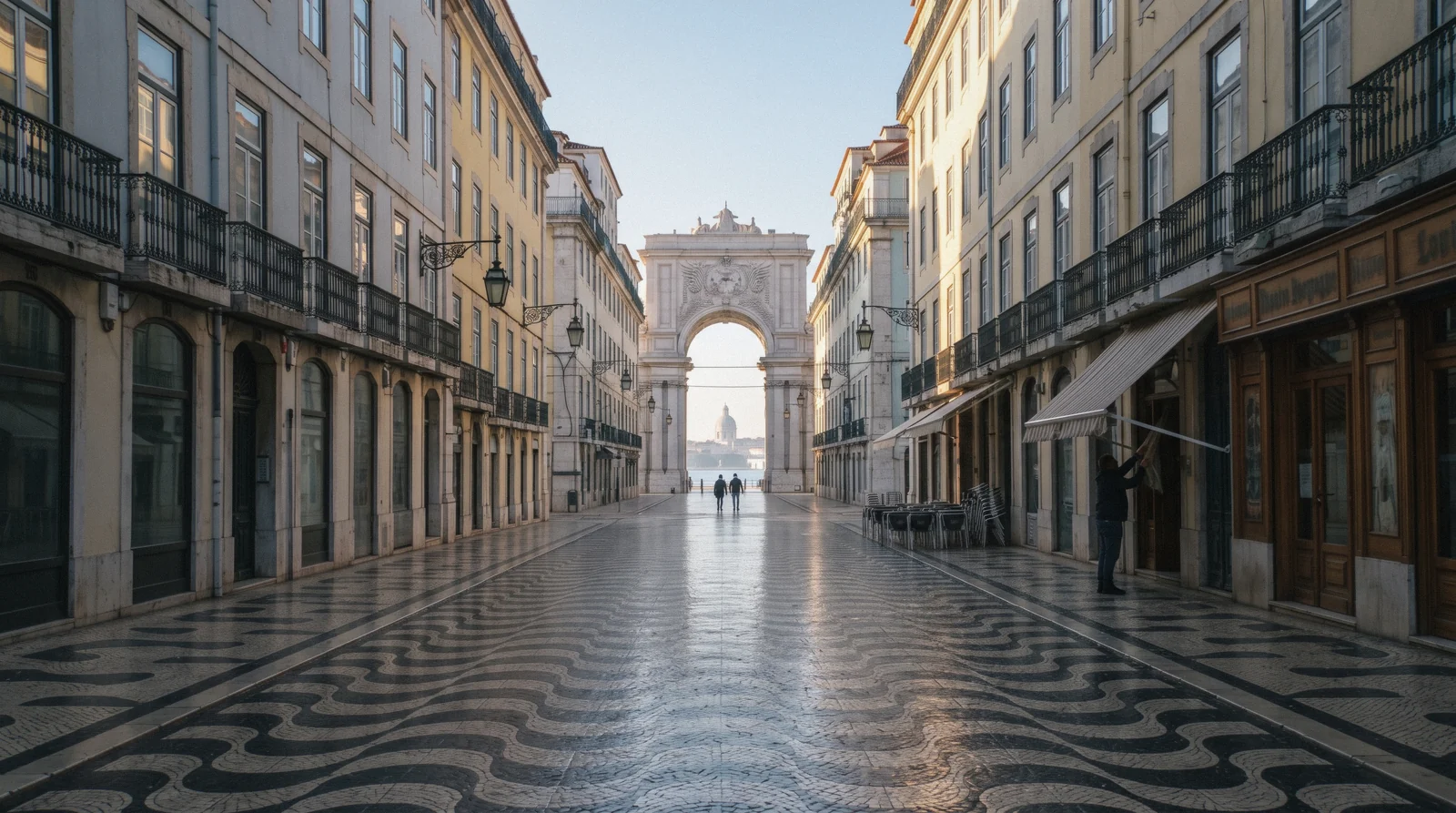
The flat grid rebuilt after the 1755 earthquake, from the Rossio down to the river, walkable end to end in ten minutes along Rua Augusta. Everything in it is free to look at, so it costs a morning and no tickets.
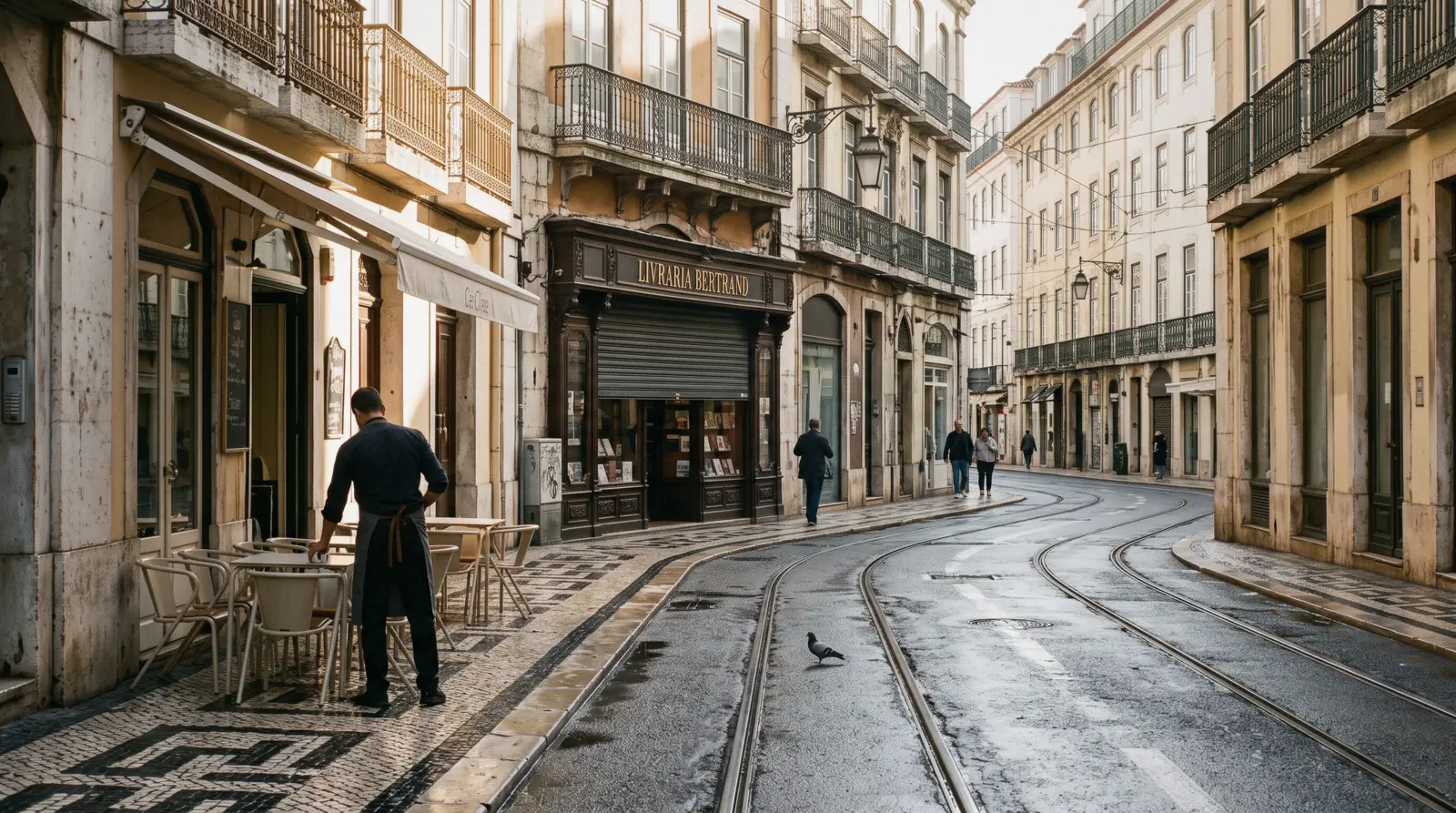
The hill directly above the Baixa, four minutes from Baixa-Chiado station, and the compromise base for a first visit: central, on two Metro lines, one street back from the noise. Cafés, bookshops, two theatres and one ruin.
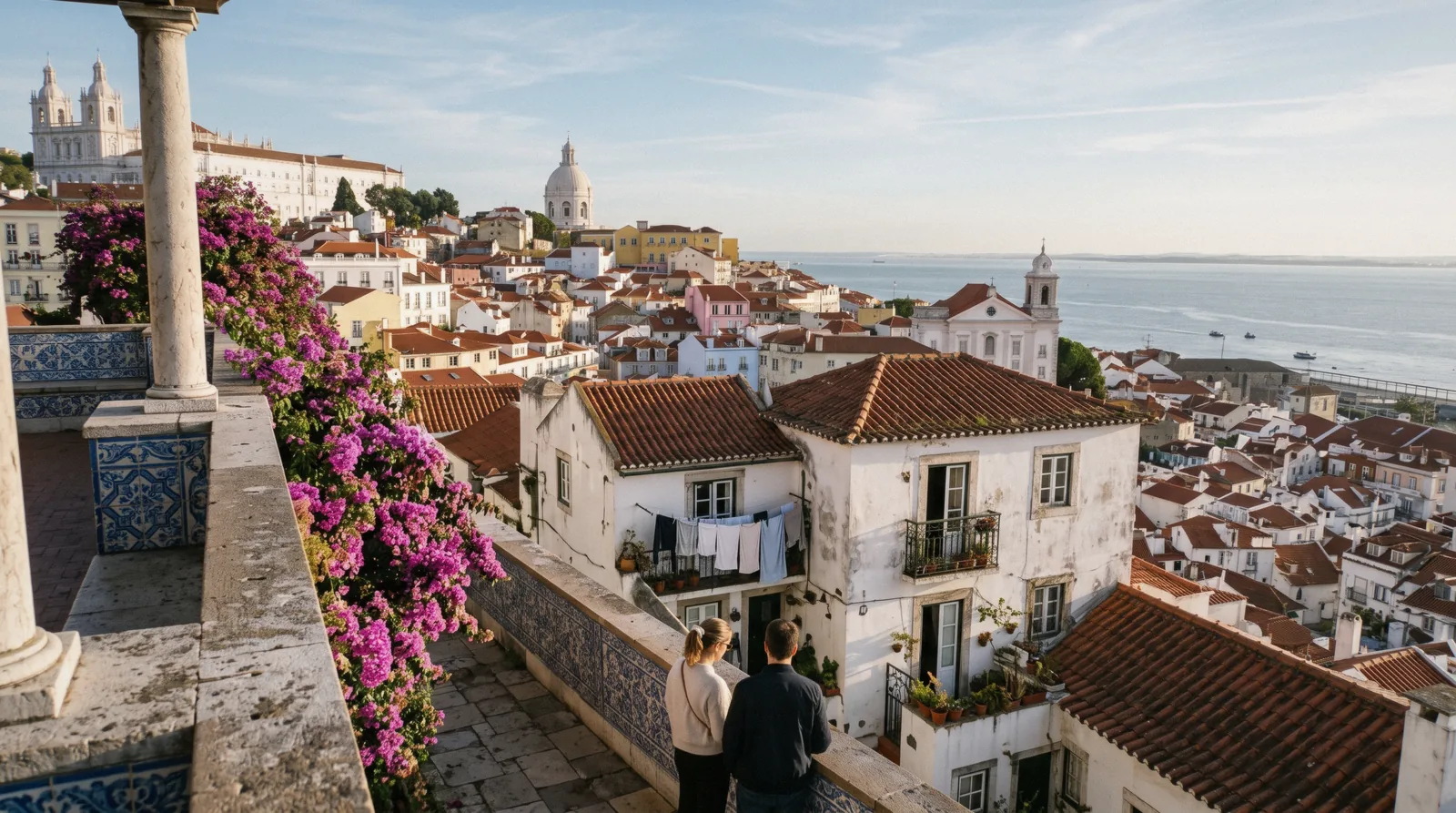
The lanes east of the Rossio that the earthquake spared, climbing between the cathedral and the castle. Three hours covers the loop, and the streets, the two viewpoints and the Sunday flea market are free.
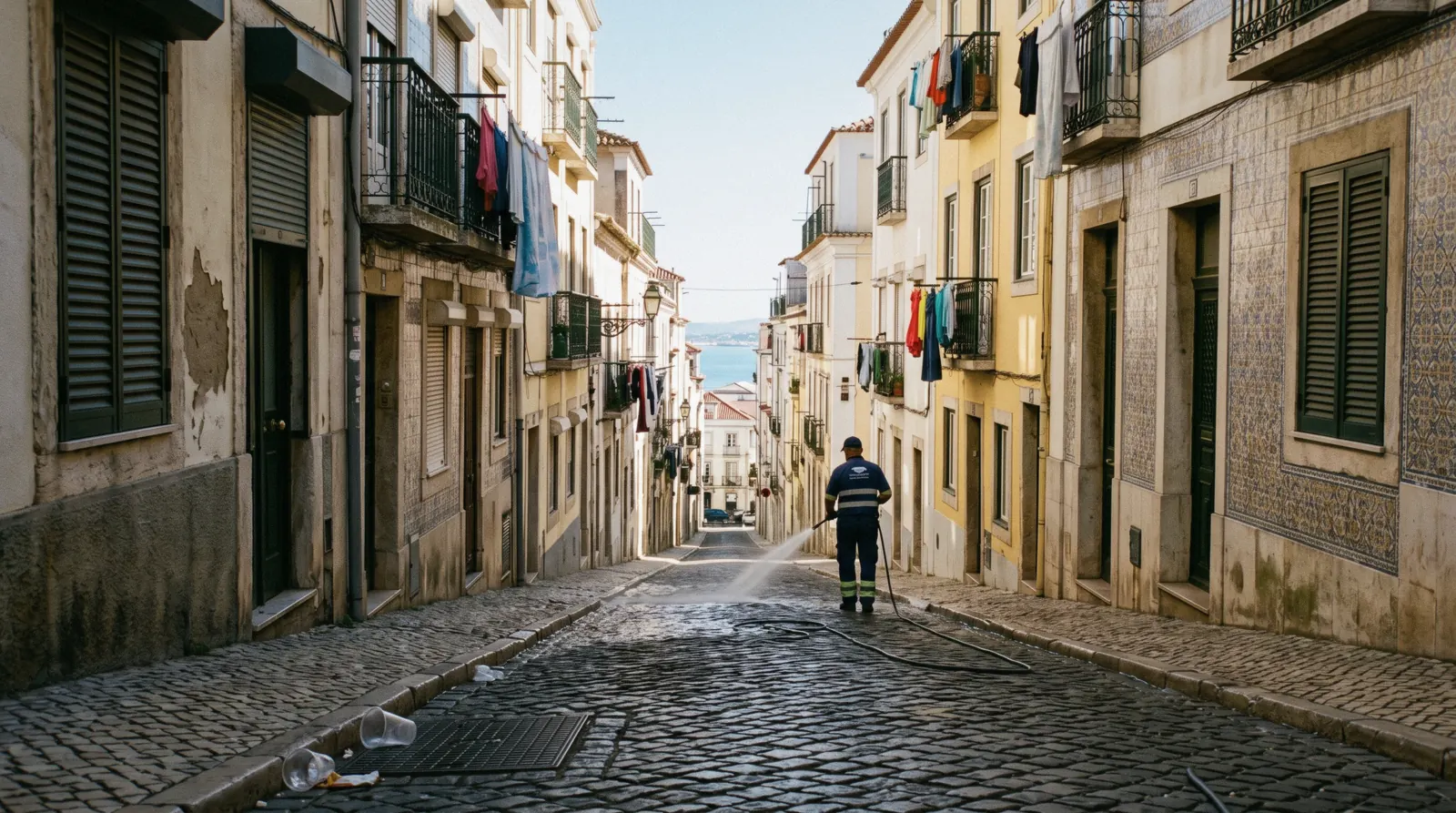
Shutters and laundry by day, the city's bar quarter from about 23:00, with the crowd on the street rather than inside and a municipal rule that closes the doors at 03:00. A place to spend an evening, not to sleep.
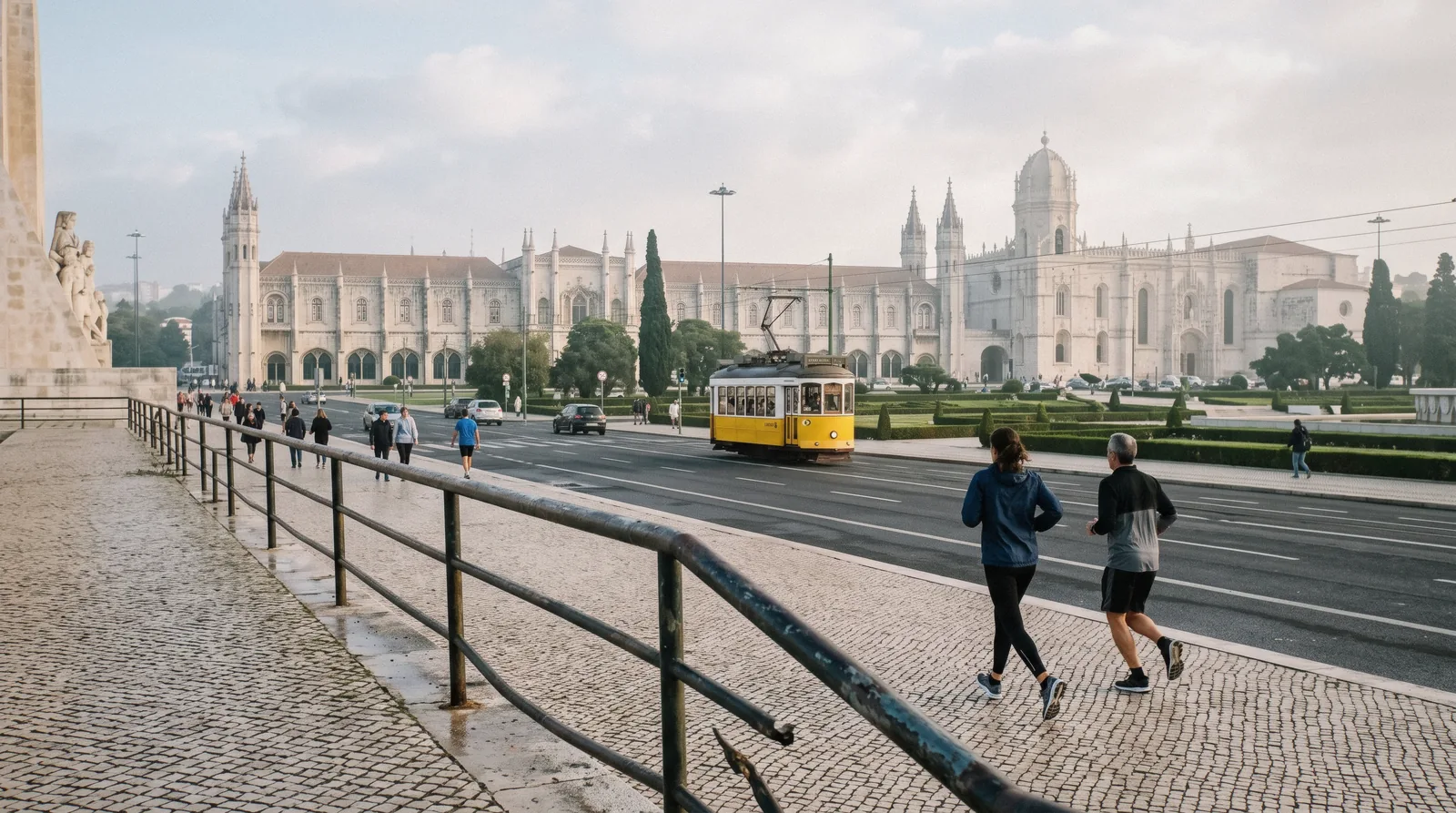
Six kilometres west of Praça do Comércio, twenty to thirty minutes on tram 15E, with six sights strung along one kilometre of riverfront. A half-day for the river side, a full day if you add the hill.
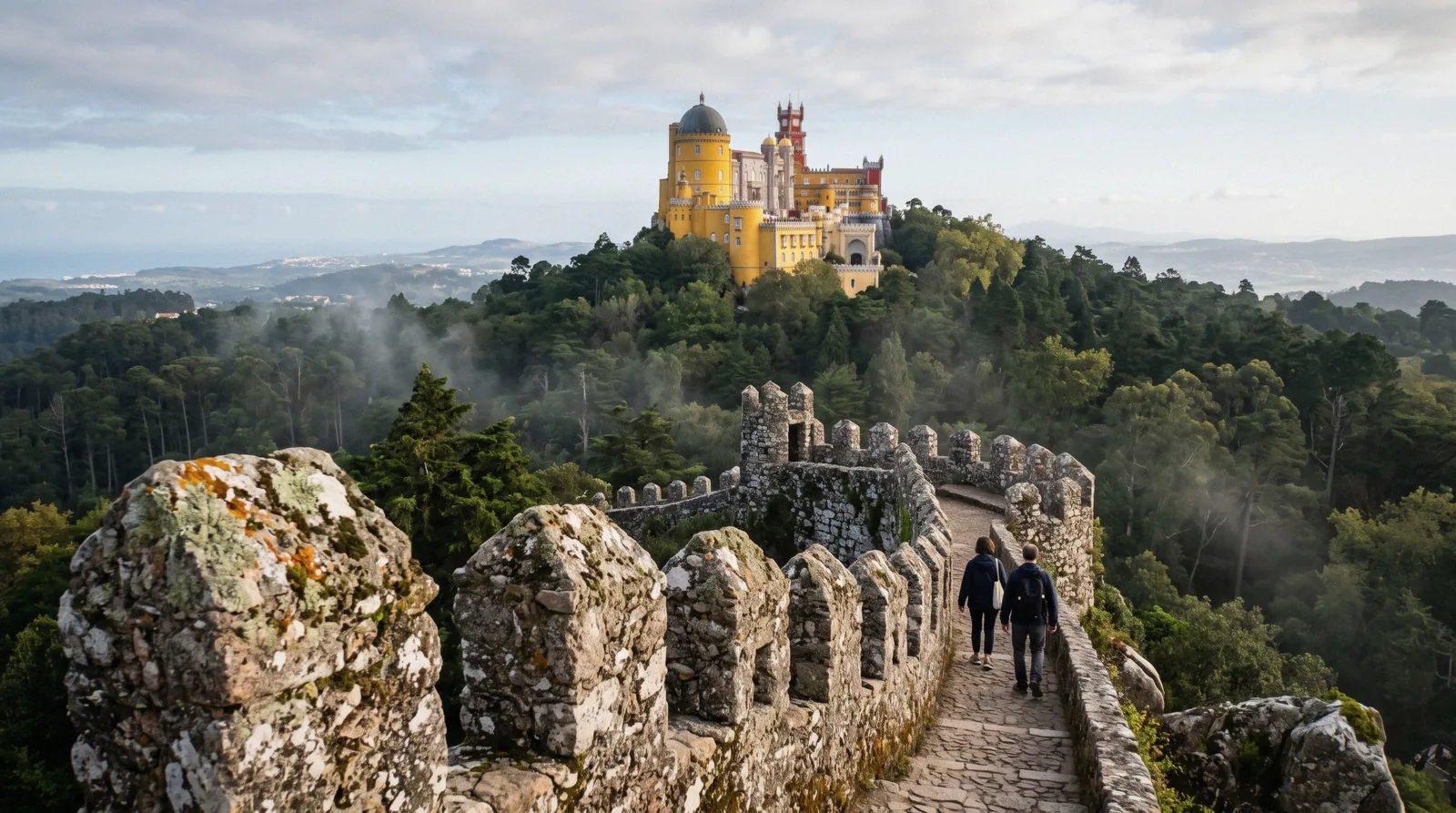
Forty minutes by CP train from Rossio, €5.10 (about $5.95) return, trains every half hour. A hill of palaces that needs a whole day and one booked slot, and the single thing most first visits add to the city.
Lisbon is a city of hills on the northern shore of the River Tagus, the second-oldest capital in Europe after Athens, with 658,236 residents inside the city limits in 2025 and about 3.35 million in the metro area. The eight places below sit on two loops: Belém along the river in the morning, the hills from Baixa to the castle in the afternoon. Walk them in this order and the only two timed slots fall where they belong.
The Manueline cloister is the reason the monastery is a UNESCO World Heritage site, and it is the ticketed part; the church next door is free through its own door and keeps its own hours, because Sunday morning is mass. Closed Monday, 1 January, Easter Sunday, 1 May, 13 June and 25 December. Be at the cloister door for opening and you are out before the coaches arrive.
Full detail on the Jerónimos page; the timed-entry card is above. Hours and prices below are from museusemonumentos.pt, read on 29 August 2026, for the cloister and the church separately.
| Jerónimos | Price | Hours | Last entry |
|---|---|---|---|
| Cloister (regular ticket) | €18 (about $21); half price 65+, 13–24, families; free under 12 | Tue–Sun 9:30–17:30 | 17:00; ticket office closes 16:30 |
| Church | free | Tue–Sat 10:30–17:00; Sun 14:00–17:00 | not stated |
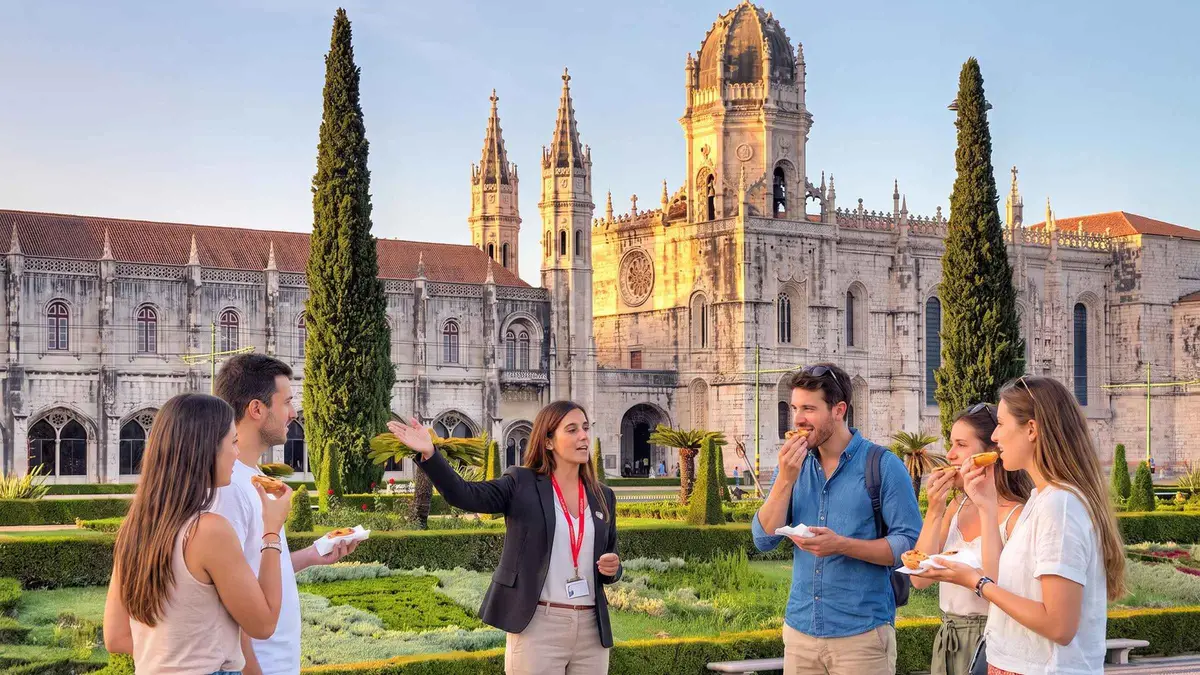
The second UNESCO site, a 16th-century Manueline fort standing in the river fifteen minutes' walk west of the monastery. It reopened on 27 May 2026 after thirteen months of conservation works and came back with a slot-based timed entry system, so the walk-up queue of old is gone and so is the walk-up ticket on a busy day. Adult €15 (about $18), Tuesday to Sunday to 17:30; the English page opens at 9:00 and the Portuguese page at 9:30, so treat 9:30 as safe.
No combined ticket with Jerónimos is printed on either official page. The tower is four floors of narrow spiral stair with no lift. The Belém Tower page has the floor plan; the tickets page has the slot rules.
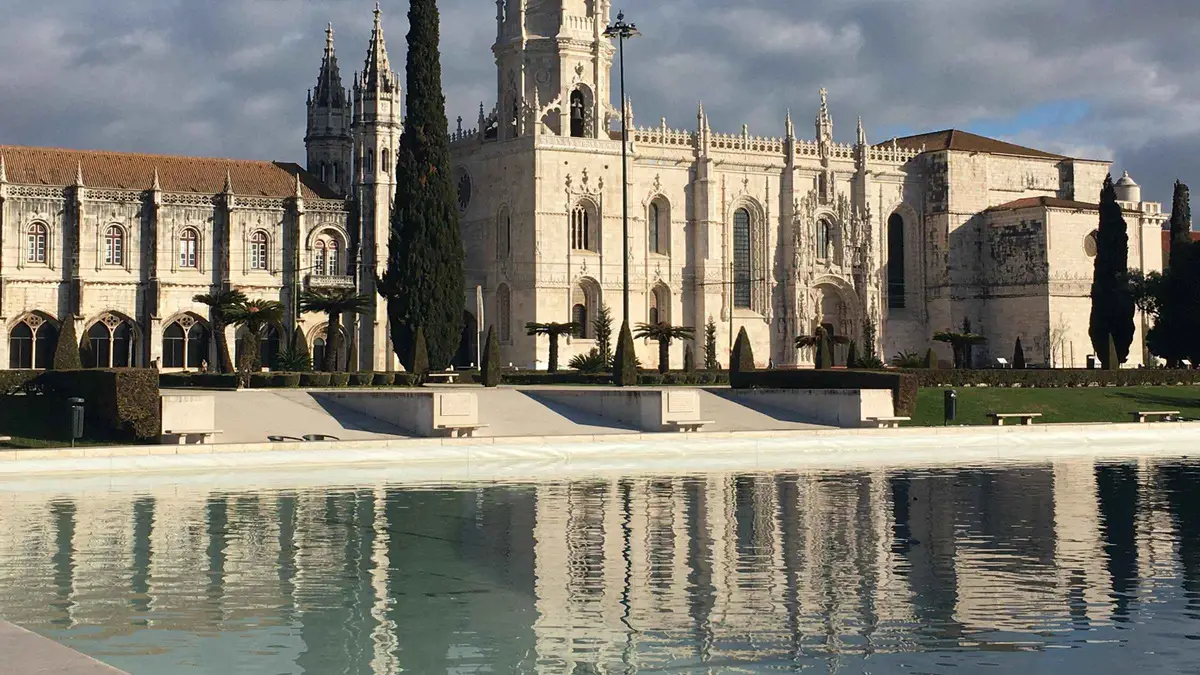
Between the two monuments. The bakery at Rua de Belém 84 has sold pastéis de nata since 1837 and prints no prices on its site, so we print none either. The Padrão dos Descobrimentos on the waterfront is the lift to the top of the monument and the map of the voyages on the pavement below it. Pastéis de Belém and the Monument each have a page; the Belém morning as one timed walk is on the one-day plan.
Hours and prices below come from the two official sites, read on 29 August 2026, and the Padrão figure is the non-resident adult fare.
| Belém stop | Price | Hours |
|---|---|---|
| Pastéis de Belém | not stated on the official site | daily 08:00–21:00; to 22:00 July–September |
| Padrão dos Descobrimentos | €10 (about $12); 13–25 €5; 65+ €8.50; under 12 free | March–September 10:00–19:00; October–February 10:00–18:00; last entry 30 min before |
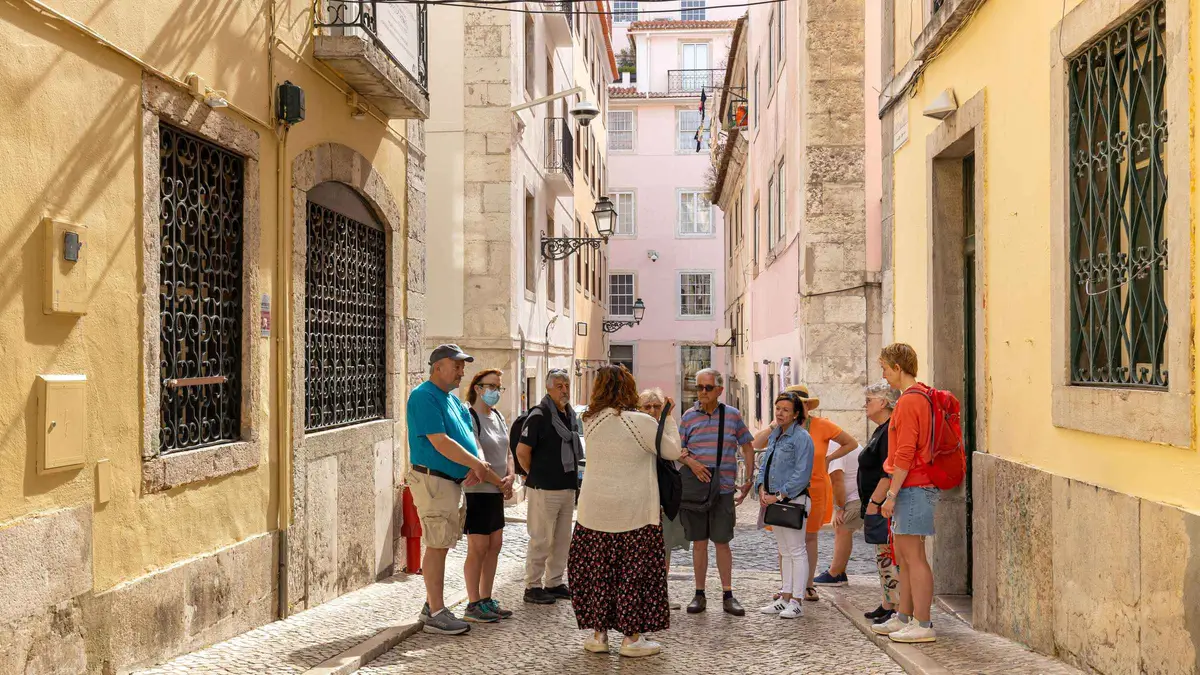
The 1 November 1755 earthquake, fire and tsunami destroyed about 85 percent of the city, and the Marquis of Pombal rebuilt the lower town on a grid that is now called the Baixa Pombalina. Praça do Comércio is its river-facing front door and costs nothing; the Arco da Rua Augusta viewpoint on top of the arch is €5 (about $6), daily 10:00 to 19:00 with last entry 18:30, a lift and then 74 steps. The Ask Me Lisboa tourist office is on the square, daily 10:00 to 19:00, and it is where a Lisboa Card bought online is collected. Praça do Comércio and Baixa are separate pages.
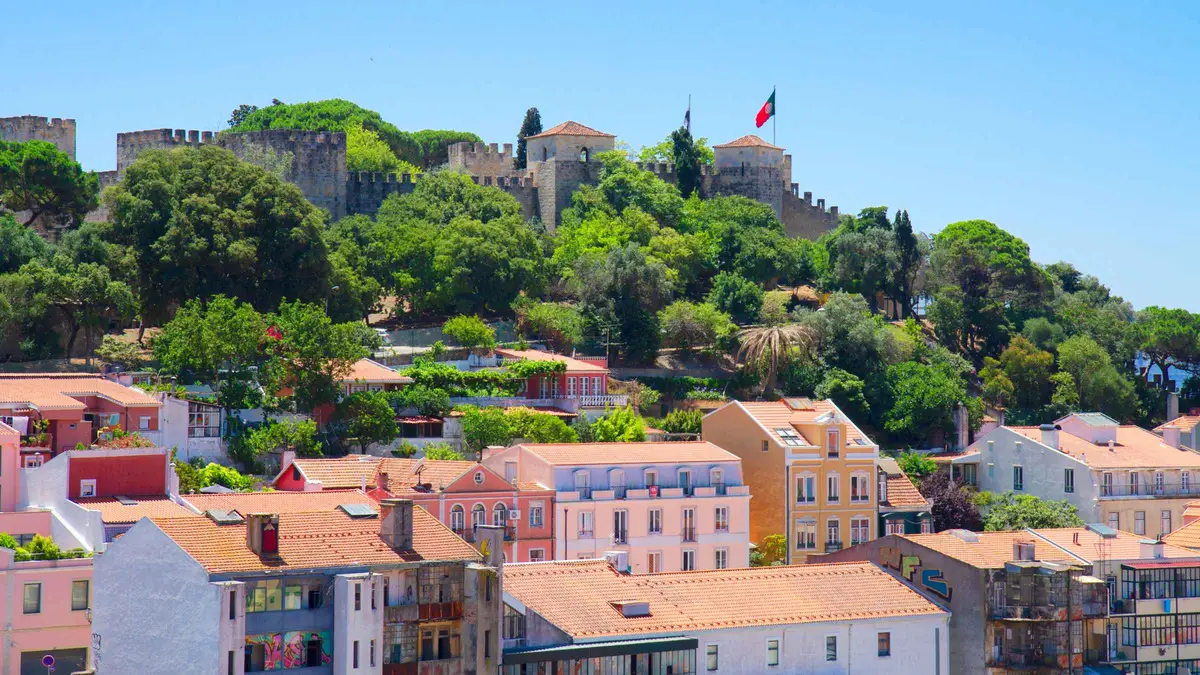
Alfama is the district the earthquake spared, a Moorish street plan of stairways under the castle hill, and the oldest part of the city. The Sé cathedral at its foot is €7 (about $8) for the tourist circuit, with the choir, treasury and naves on one ticket, and closed on Sundays. São Jorge Castle above it is €17 (about $20), €8.50 for 13 to 25 and €14 for 65-plus, open daily 9:00 to 21:00 from March to October and to 18:00 from November to February, closed only five days a year.
Go up in the late afternoon: the ramparts are the sunset spot and the ticket line is shortest after 17:00. Alfama, the cathedral and the castle each have a page; the castle e-ticket with audio guide is the São Jorge Castle e-ticket.
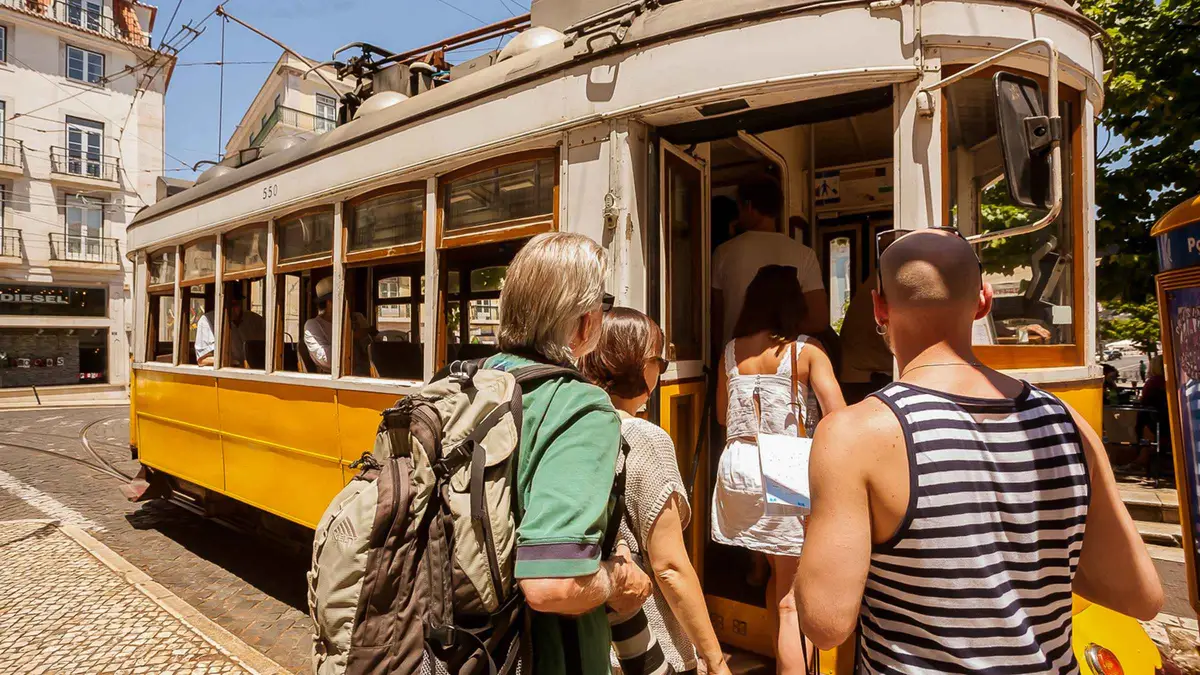
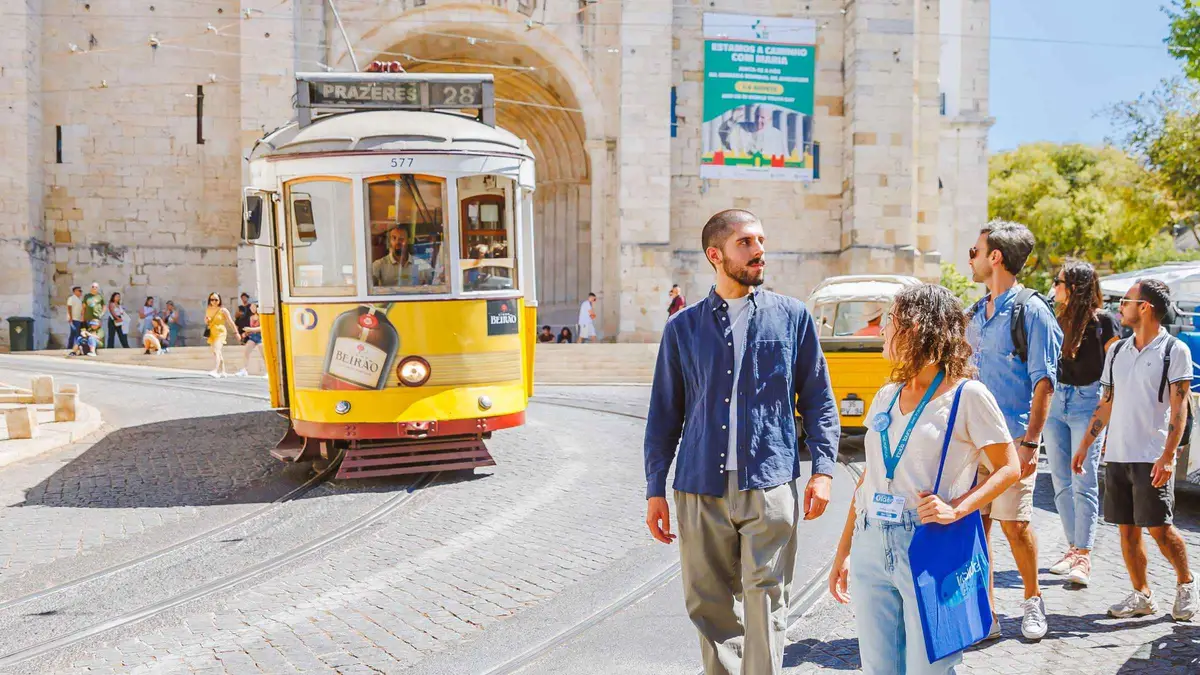
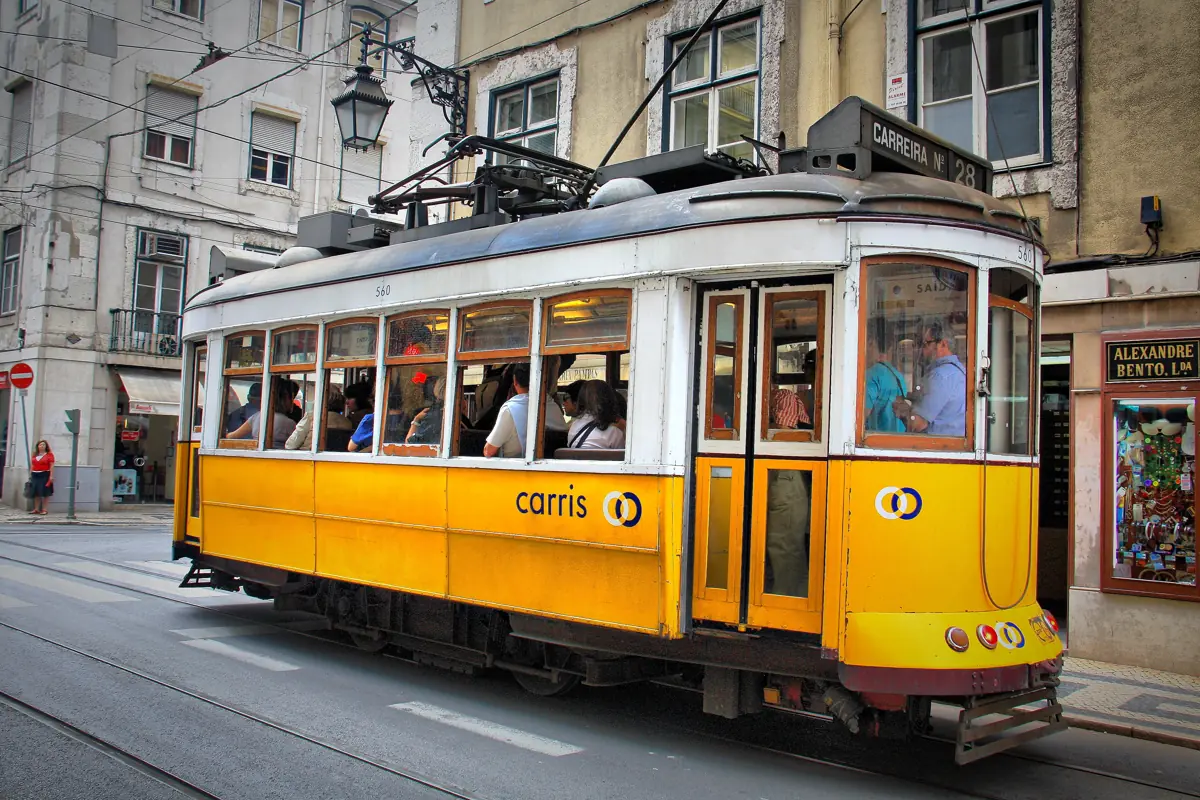
Lisbon has run electric trams since 1901, the first cars imported from the United States and still called americanos, and the yellow elétricos are run by Carris. Tram 28 crosses Graça, Alfama, Baixa and Estrela and is the most crowded vehicle in the city; it is also where pickpockets work, so ride it from the Martim Moniz end before 09:00 with your bag in front of you, or board at Estrela and ride it backwards. The fare on board is €3.30 (about $3.90); €1.72 with a navegante card on zapping, or on the €7.25 24-hour ticket.
What is not running: the Glória, Bica and Lavra funiculars and the Santa Justa lift, all closed since the Glória derailment of 3 September 2025 with no reopening date on carris.pt. Carris runs replacement buses 51E, 22B and 19B on the three funicular routes. Tram 28, the funiculars and elevators and Santa Justa are kept current on their own pages.
The hill west of Baixa. Chiado is the bookshop-and-café quarter; the Carmo Convent behind it is the roofless church the earthquake left as a memorial, €7 (about $8), Monday to Saturday, closed Sunday. Bairro Alto above it is the nightlife grid, near-empty by day and loud from 23:00.
The Miradouro de São Pedro de Alcântara at its top edge is the viewpoint for the castle across the valley and one of the two classic sunset terraces, the other being the Miradouro da Graça on the opposite hill. With the Glória funicular closed, the climb from Restauradores to the viewpoint is bus 51E or eight minutes on foot. Chiado, Bairro Alto and the Carmo Convent.
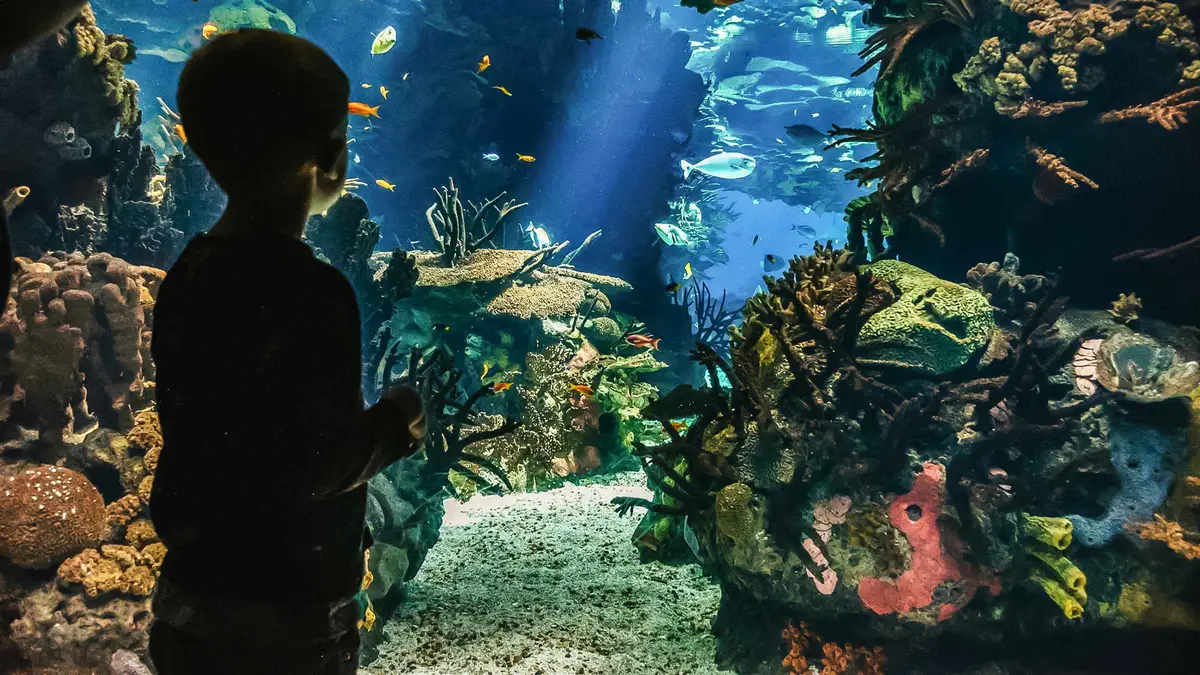
The 1998 Expo district at the eastern end of the red Metro line, under the Vasco da Gama bridge. The Oceanário is priced by entry slot, so the same ticket costs less the later you go in; it is open every day of the year and the cable car along the river is €10 return. LX Factory, the converted industrial block under the 25 de Abril bridge in Alcântara, is free to walk; its official site prints no hours, so we do not either. Parque das Nações, the Oceanário and LX Factory; the Oceanário entry ticket is the Oceanário de Lisboa entrance ticket.
The tiers below are from oceanario.pt on 29 August 2026; the doors open 10:00 to 20:00 with last entry at 19:00.
| Oceanário entry slot | Adult 13–64 | Child 3–12 | Senior 65+ |
|---|---|---|---|
| 10:00–11:30 | €29 (about $34) | €17 | €19 |
| 12:00–15:30 | €27 (about $32) | €16 | €18 |
| 16:00–18:30 | €25 (about $29) | €15 | €17 |
| Flexi ticket, any slot within 7 days | €41 (about $48) | — | — |
The counting rule behind this table: one Belém morning and one hill afternoon per day. Prices are the official adult fares read on 29 August 2026.
| Days | What fits | Book ahead | Skip | Plan |
|---|---|---|---|---|
| 1 day | Jerónimos at 9:30, Belém Tower slot, Pastéis de Belém, then Alfama and the castle for sunset | Jerónimos, Belém Tower slot | Sintra, the Oceanário, Tram 28 end to end | Lisbon in 1 day |
| 2 days | Day one as above; day two Baixa, Chiado, the Carmo Convent, a Tagus crossing to Cacilhas and Cristo Rei | The same two, plus a fado table | Sintra unless you drop the Tagus crossing | Lisbon in 2 days |
| 3 days | Two city days at an easy pace plus Sintra with a Pena slot, or Parque das Nações and a food tour | Jerónimos, Belém Tower, Pena slot | Nothing; this is the plan most readers use | Lisbon in 3 days |
| 4 to 7 days | Add Cascais or Arrábida, Évora by Intercidades, the Gulbenkian and the Coach Museum | Pena slot, Alfa Pendular seats if Porto is a day | Porto as a day trip if you have fewer than 5 days | Day trips |
Jerónimos, the tower and the bakery take a half day with the tram out and back; the castle, Alfama and a viewpoint take the other half. Sintra is always a full day. Indie-guide consensus, and ours, is 4 to 7 nights when the coast and Sintra are in the plan. Under 4 nights, leave Porto for another trip: the Alfa Pendular is €35.70 (about $42) each way in tourist class and CP prints no journey time on its fare page.
One card per money entity. Prices and ratings are the platform's own figures on 29 August 2026; the official price sits in the highlights strip above and the tables below so you can see the margin before you click.
from €18
listed at $20.85
Plain entry ticket to the 16th-century Manueline monastery in Belém. The official shop sells the same ticket — compare before booking.
Check Availability
from €27
listed at $28.78
E-ticket to São Jorge Castle with a self-guided audio tour on your own phone; stay one to four hours. Bring headphones — the audio is your only guide.
Check Availability
from €25
listed at $28.96
Pre-booked entry to the Oceanário in Parque das Nações — 8,000-plus animals across four ocean habitats around one central tank. The official site sells the same ticket.
Check Availability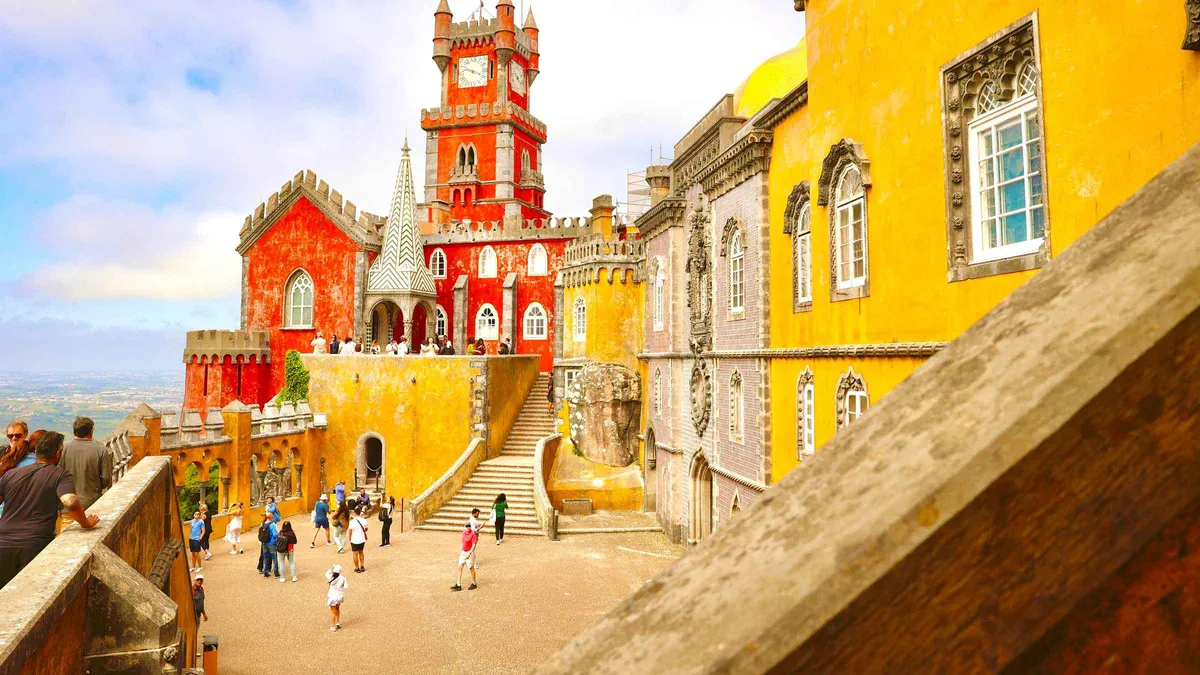 from €85
listed at $83.70
Nine-hour small-group loop from Lisbon: Pena Palace with ticket, Sintra's old town, the Cabo da Roca cliffs and Cascais. Pena is a steep climb — expect a long day.
Check Availability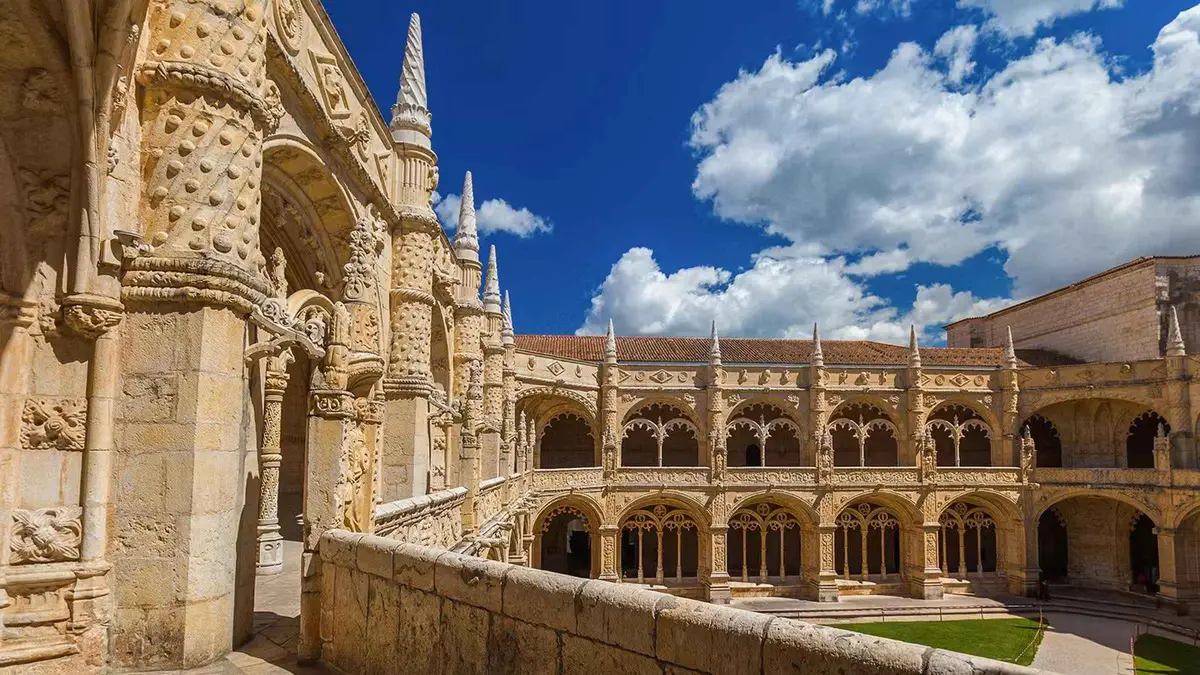 from €31
listed at $35.91
One pass for public transport plus free entry to the attractions on the Lisboa Card list, in 24-, 48- or 72-hour versions. Only pays off if you pack in several paid sights per day.
Check AvailabilityPrices, ratings and details are the platform's own. Dollar figures are the listed prices. The platform bills in your account's currency.
Three plans built on the official opening hours, with the two timed slots placed in the hour they work best and the tram and walking minutes between stops.
Belém first, hills second. Jerónimos cloister at 9:30 before the coaches, the Belém Tower slot before lunch, the bakery in between, then tram 15E back to Praça do Comércio and up through Alfama to the castle ramparts for the last hour of light.
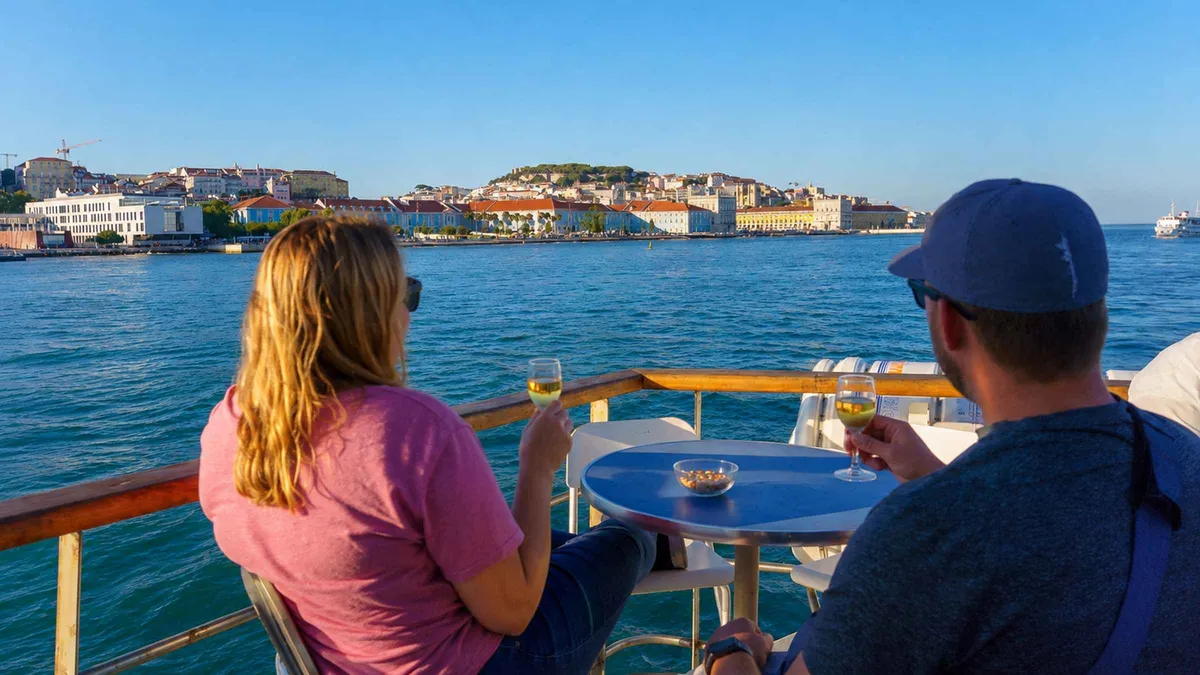
Day one is the one-day plan. Day two starts in Baixa and Chiado, climbs to the Carmo Convent and the São Pedro de Alcântara viewpoint, and crosses the Tagus by ferry from Cais do Sodré to Cacilhas for the Cristo Rei lift and the view back at the whole city.
The plan most readers use: two city days at the pace above, and a third day in Sintra built around a Pena Palace slot that has no late tolerance, so the train time and the 30-minute uphill walk from the gate are written into the morning.
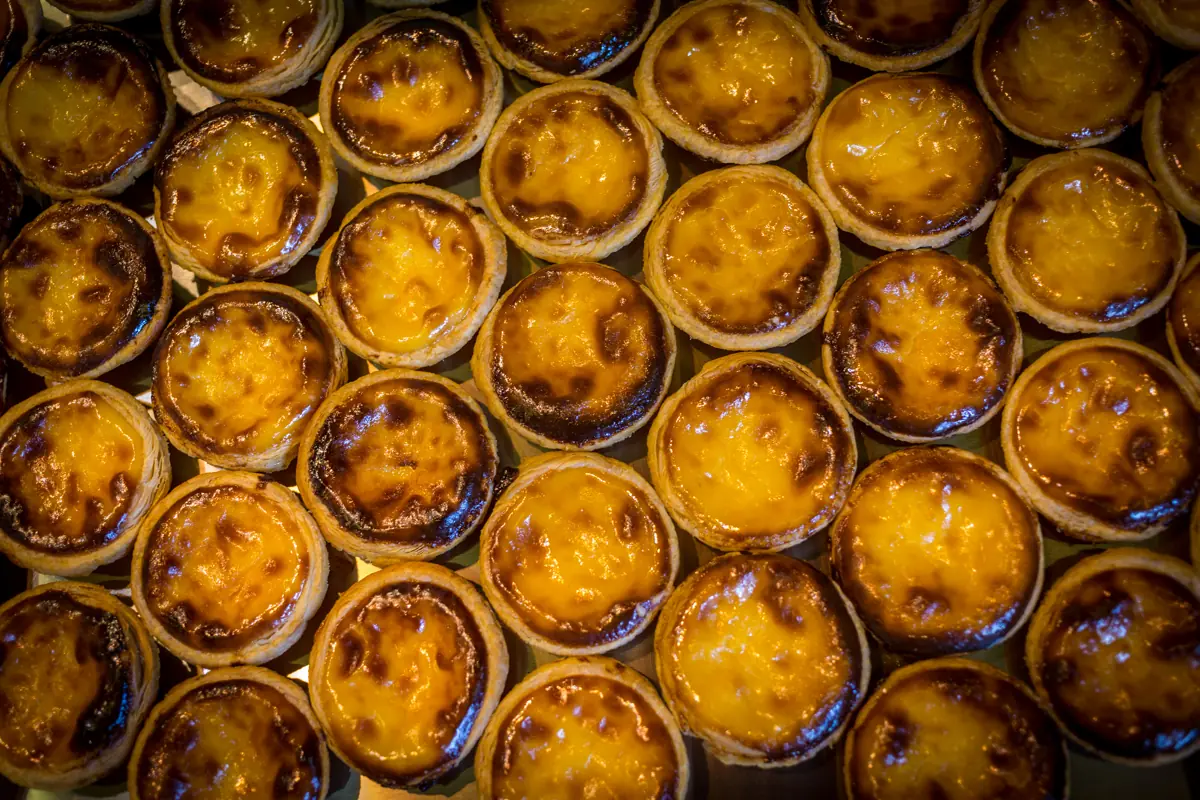
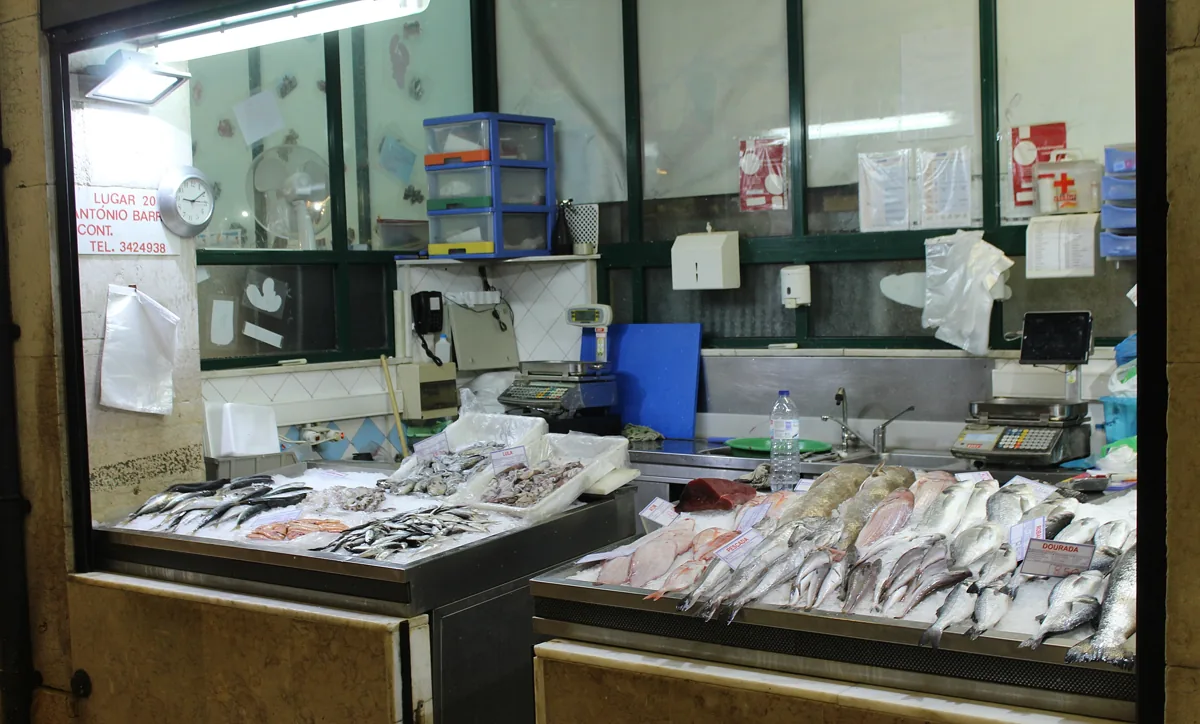
Three things and a rule. The pastel de nata is a custard tart in flaky pastry eaten warm with cinnamon, and the Belém bakery that made it famous prints no prices, so nobody who quotes one has read the official site. Bacalhau is salt cod, sold dried in the grocers on Rua do Arsenal and cooked in more ways than any restaurant menu can hold; bacalhau à Brás, shredded with egg and potato, is the one to order first.
Grilled sardines belong to June, when the Santo António street parties on 12 and 13 June fill Alfama with charcoal smoke, and are a poorer dish in winter. Ginjinha is the sour-cherry liqueur poured in shot glasses at hatch-sized bars around Rossio and Largo de São Domingos. The rule: the bread, olives and cheese put on your table unasked are the couvert and are charged if you touch them; send them back untouched and nothing appears on the bill.
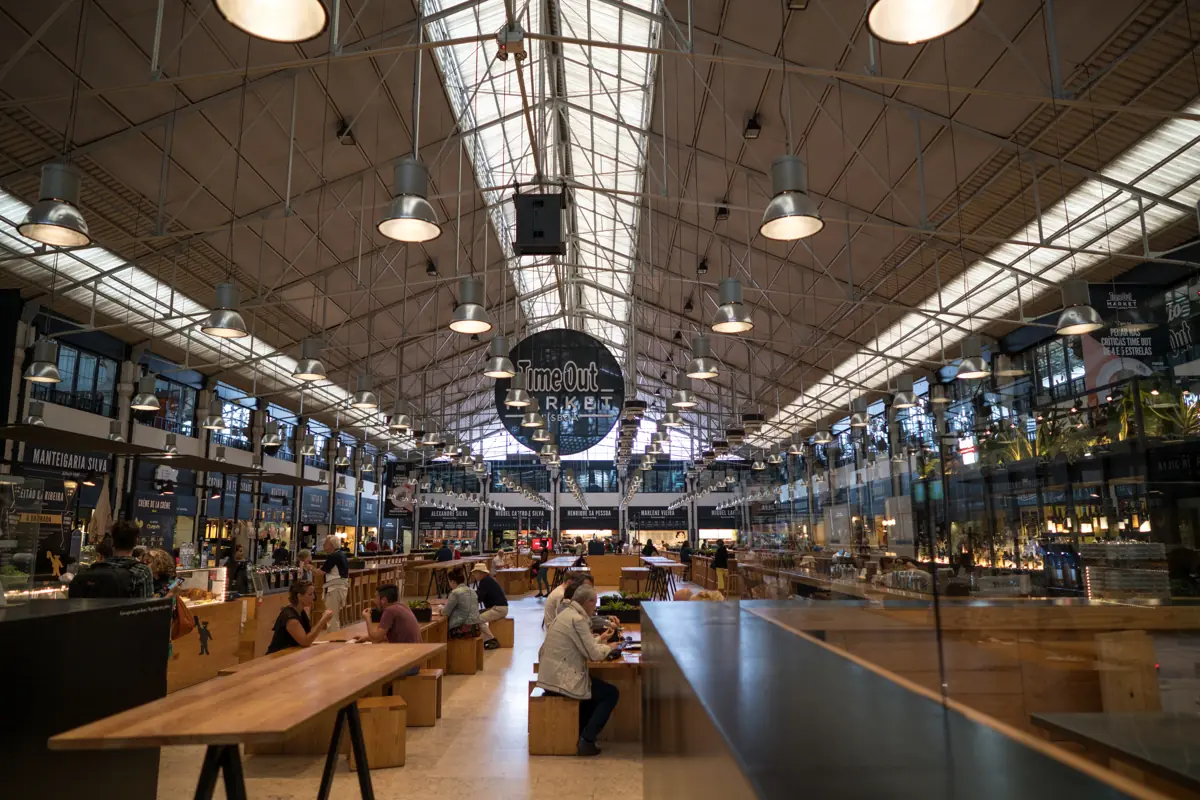
Tipping is a rounding-up, not a percentage. The Time Out Market at Cais do Sodré holds 26 restaurants and 8 bars and is open Sunday to Wednesday 10:00 to midnight and Thursday to Saturday 10:00 to 02:00. Where to eat names the places by source; food tours compares the guided walks, of which the small-group food and wine walk is the one most readers pick.
Six fixtures, all read on the official pages on 29 August 2026. The Belém Tower reopened on 27 May 2026 and now runs on timed slots, so a summer visit without a booked slot is a gamble the old walk-up queue never was. The Glória, Bica and Lavra funiculars and the Santa Justa lift have been closed since the derailment of 3 September 2025; the Carris note of 2 October 2025 puts the reopening in the hands of an engineering commission and no date has appeared since, so plan every hill as a walk or a bus.
The Museu Nacional do Azulejo closed on 1 November 2025 for building works with no reopening date, and the shop has moved to Palácio Foz. The free museum Sunday ended for tourists on 1 August 2024, when Museus e Monumentos de Portugal replaced it with 52 free days a year for residents only; there is no first-Sunday rule either. The Carris and Metro tariff is annual and the 2026 fares run from 1 January 2026, so a 2027 revision is due on 1 January 2027.
The Lisboa Card prices below are valid from 1 April 2026 to 31 March 2027. The full calendar of holidays, closures and festivals is on the events page; the museum closed days are on Monday openings.
Five things, none of them dramatic. Tram 28 is where the city's pickpockets work, so the bag goes in front and the phone stays in a zipped pocket for the length of the ride; the crowd is the risk, not the district. Someone in Baixa will offer you sunglasses, then quietly something else; a shake of the head ends it.
A late arrival at Pena Palace is refused at the door with no change and no refund, because Parques de Sintra prints zero tolerance on its slot and the walk from the park gate to the palace is 30 minutes uphill, so the slot you book is for a time 40 minutes after you leave the train. The couvert on a restaurant table is charged the moment you touch it. And the hills are real: Alfama and Bairro Alto are cobbled stairways at gradients a rolling suitcase cannot take, so a hotel at the top of a hill is a taxi from the station, not a walk.
The emergency number is 112 and the tourist police station is in Palácio Foz on Praça dos Restauradores. Safety and scams and accessibility go deeper.
Mean daily maximum temperature by month from the IPMA 1991–2020 climate normal for the Lisboa Geofísico station, in Celsius with Fahrenheit underneath. The bands below the bars come from the museum calendar, the rain-day count and the tariff year, not from opinion.
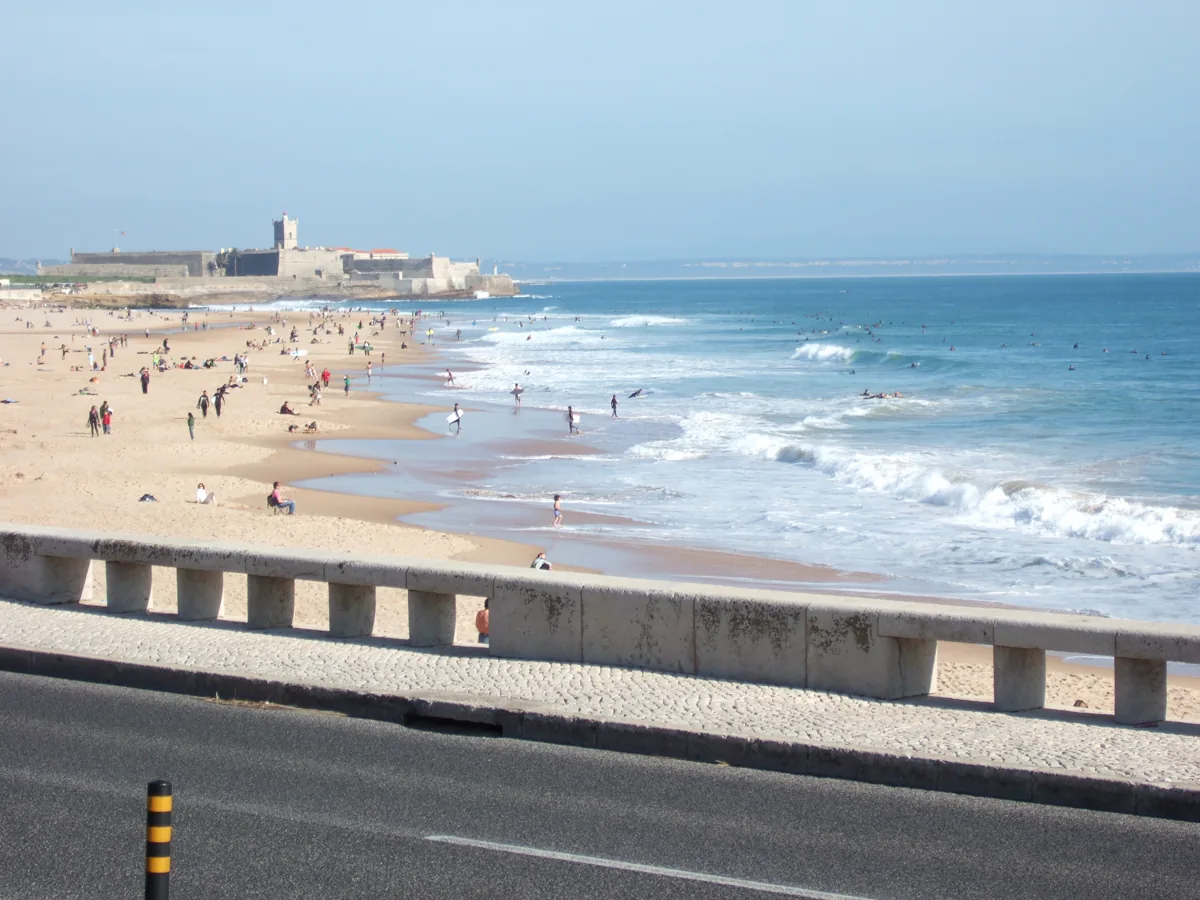
IPMA climate normal 1991–2020, Lisboa Geofísico. Annual mean 17.6°C (64°F) and 793.5 mm of rain a year, 133.9 mm of it in November and only 2.6 mm in July; August averages 10.2 days above 30°C and the record is 43.3°C on 4 August 2018. January lows average 8.6°C (47°F), August lows 18.8°C (66°F). The sea sits at 17.1 to 19.5°C across the year by the tourist board's figure, which is why the beaches are for June to September. Month-by-month crowd notes are on the best time to visit.
What the calendar does to each month, taken from the official pages: there is no free Sunday for tourists at the state museums since 1 August 2024, the castle keeps summer hours from March to October, the Oceanário never closes, and the IPMA rain-day count says which months need a museum plan.
| Month | Crowds | Closures and free days | Weather |
|---|---|---|---|
| January | Low | Castle to 18:00; 1 January closes everything; no free days for tourists | 10 rain days, highs 15°C |
| February | Low | Winter hours at the castle and the Padrão; Carnival Tuesday is a working day for museums | 8 rain days, highs 16°C |
| March | Rising | Castle switches to 9:00–21:00; Padrão to 19:00 | 8 rain days, highs 19°C |
| April | Rising | Easter Sunday closes Jerónimos, Belém Tower and the MMP museums; 25 April is a public holiday | 8 rain days, highs 20°C |
| May | High | 1 May closes Jerónimos, the tower, the castle and the Sé; Belém Tower reopened 27 May 2026 | 6 rain days, highs 23°C |
| June | Peak | 13 June closes the MMP monuments for Santo António; sardines and street parties in Alfama on the 12th and 13th | 2 rain days, highs 26°C |
| July | Peak | Pastéis de Belém open to 22:00 from 1 July; book Belém Tower and Pena slots days ahead | Under 1 rain day, highs 28°C |
| August | Peak | Hottest month; the Sé opens 9:30 on most weekdays; Regaleira's new timetable since 10 August 2026 | 1 rain day, highs 29°C |
| September | High | Bakery back to 21:00 after the 30th; sea at its warmest | 4 rain days, highs 27°C |
| October | Falling | Castle and Padrão drop to winter hours from 1 November, so October keeps the long evenings | 9 rain days, highs 23°C |
| November | Low | Wettest month; Azulejo museum closed since 1 November 2025; castle to 18:00 | 10 rain days, highs 18°C |
| December | Low | 24, 25 and 31 December close the castle and the Padrão; Oceanário 11:00 on 25 December and 1 January | 10 rain days, highs 15°C |
Rain days are IPMA days with at least 1 mm. Closed days per site are on the tickets index; the rainy-day plan is on its own page.
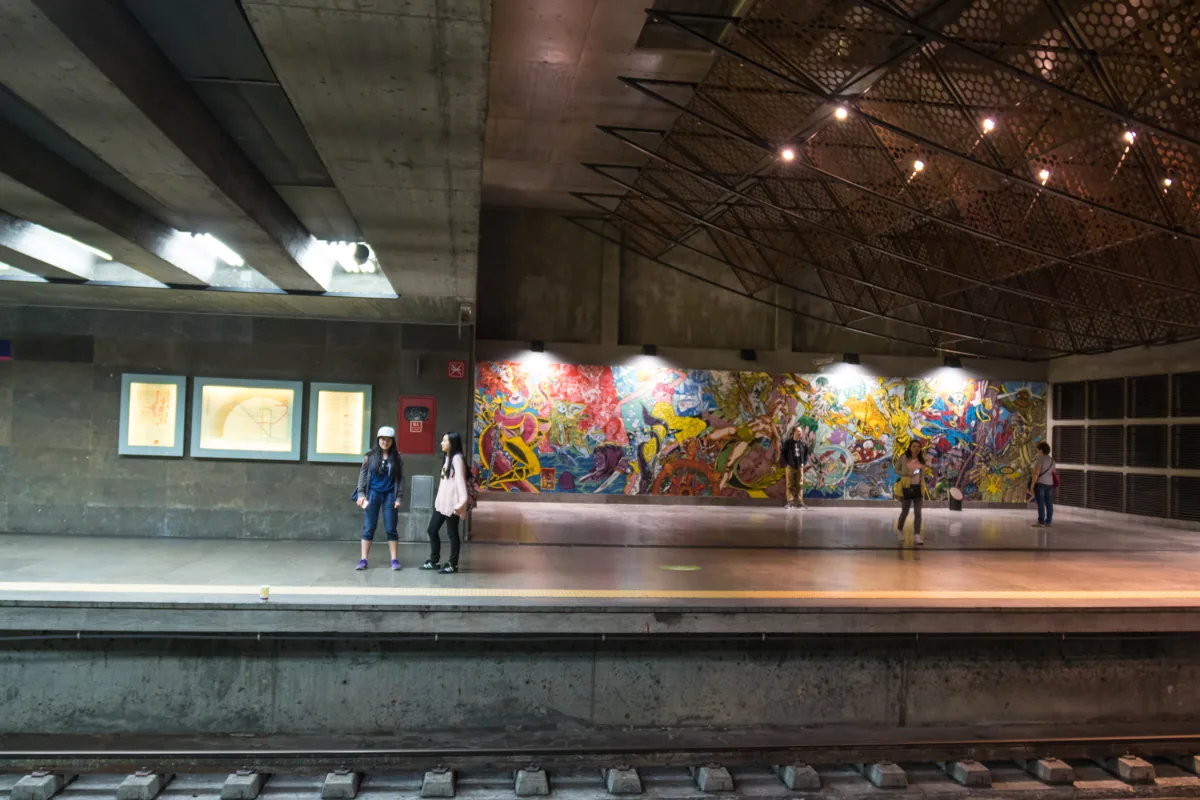
The Metro has four lines, blue, yellow, green and red, with 56 stations over 44.2 km, and runs 06:30 to 01:00. Everything below is the 2026 tariff in force since 1 January 2026, read on the metrolisboa.pt and carris.pt tariff PDFs on 29 August 2026.
Buy a €0.50 navegante occasional card at any Metro machine and load it with either single tickets or zapping credit; it is good for a year and one person per trip. The 24-hour ticket at €7.25 pays for itself on the fourth ride and covers Carris buses, trams and the Metro, but not the funiculars or the Santa Justa lift, which have their own €4.30 and €6.20 fares and are closed anyway. The €11.40 version adds the CP trains to Sintra and Cascais; the €10.35 version adds the Cacilhas ferry instead.
Paying on board is the expensive way: €2.30 on a bus, €3.30 on a tram, and the articulated trams take no cash at all.
| Fare, 2026 | Price | Approx. USD | Covers |
|---|---|---|---|
| Single Carris/Metro ticket | €1.90 | $2.20 | 60 minutes on bus, tram and Metro |
| Zapping, per trip | €1.72 | $2.00 | Any Carris or Metro ride; €1.60 on the Cacilhas ferry |
| Contactless bank card, Metro | €1.92 | $2.25 | One Metro ride, no card to buy |
| 24h Carris + Metro | €7.25 | $8.50 | Unlimited; not funiculars, not Santa Justa |
| 24h Carris + Metro + CP | €11.40 | $13.30 | Adds the Sintra and Cascais trains |
| 24h Carris + Metro + Transtejo | €10.35 | $12.10 | Adds the Cais do Sodré–Cacilhas ferry |
| Tram, paid on board | €3.30 | $3.90 | That tram only; Tram 28 is a normal Carris tram |
| Bus, paid on board | €2.30 | $2.70 | That bus only |
The airport handled 36.1 million passengers in 2025, the busiest in Portugal and TAP's hub, and it sits on the red Metro line with no airport surcharge in the 2026 tariff: €1.90 on a single ticket, with a change at Alameda for the green line to Baixa or at Saldanha for the yellow line. Metro de Lisboa publishes no journey time; most published estimates put the ride to the centre at about 25 min. Carris bus 744 runs from Restauradores to the Aeroporto stop about 07:00 to 21:30 at €2.30 on board.
The Aerobus no longer appears on any Carris or Metro tariff page, so do not plan around it. Taxi and app fares are not on an official page and we print none. Night buses run 23:30 to 05:35.
The one card on the getting-around page that people book is the private airport transfer for late arrivals with luggage.
The 25 de Abril bridge opened on 6 August 1966 between Alcântara and Almada, and the Vasco da Gama bridge on 29 March 1998 from Parque das Nações, 17.2 km and the longest in Europe. Neither has a pedestrian path; the Pilar 7 experience on the Lisbon pier of the 25 de Abril is €3 while its lift is under repair and you climb 372 stairs. The cheap crossing is the ferry from Cais do Sodré to Cacilhas at €1.60 on zapping, ten minutes on the water, and from Cacilhas a bus climbs to the Cristo Rei statue and its €10 lift.
Do not drive in the centre: the getting-around page explains the hills, the tow zones and why walk-plus-Metro wins; transport strikes explains the five-working-day notice rule.
Alfama is the oldest district, the Moorish street plan that survived 1755, and the one to see first; it is also stairs, so it is a poor base with a suitcase. Baixa Pombalina is the flat grid Pombal laid out after the earthquake, the shopping streets between Rossio and the river, convenient and loud with tourists. Chiado is the elegant hill above it, theatres and bookshops, the best all-round base for a first visit.
Bairro Alto beside it is the nightlife quarter; its streets are quiet by day and full of people holding drinks from 23:00, which decides whether you sleep there. Príncipe Real above Bairro Alto is the leafy, expensive quarter of concept shops and the botanical garden, the indie-guide pick for a longer stay. Santos, down by the river between Cais do Sodré and Alcântara, is the other one those guides name: warehouses turned into restaurants, flat, and on the Cascais train line.
Belém is a morning, not a base, thirty minutes west by tram 15E. Parque das Nações is the modern district at the end of the red line, clean and quiet and a long ride from everything else. The full comparison with walk minutes and noise is on neighbourhoods; the hotel decision is on where to stay, and Alfama, Chiado and Belém have their own pages.
Do wear shoes with grip: the calçada pavements are polished limestone cubes, slick when wet, and the hills between Baixa and the castle run at gradients that turn sandals into a hazard. Do ride Tram 28 early or from the far end, and do not treat it as transport across town; a Metro ride does that in a tenth of the time. Do send the couvert back untouched if you do not want to pay for it, and do not expect a service charge on the bill; rounding up is the tip.
Do learn two words. English is widely spoken in every hotel, museum and restaurant a visitor is likely to enter, and it is fine to use it; a bom dia on the way in and an obrigado, or obrigada if you are a woman, on the way out is appreciated out of all proportion to the effort. Do not speak Spanish as a shortcut; it is understood and it is not welcomed.
Americans are welcome, and so is everyone else: Lisbon's tourism is built on English-speaking visitors, prices are printed, cards are taken almost everywhere, and the tourist police at Palácio Foz deal in English. Do check the Sunday rules before you build a day: the Sé and the Carmo Convent close, and the Jerónimos church opens only at 14:00. Do not buy the 24-hour transit ticket for a day you will spend on foot in Alfama; buy zapping and ride when you need to.
Do book the Pena slot for a time you can make with 40 minutes to spare. The scams, the etiquette at fado houses and the dress rule at churches are on safety and scams and nightlife.
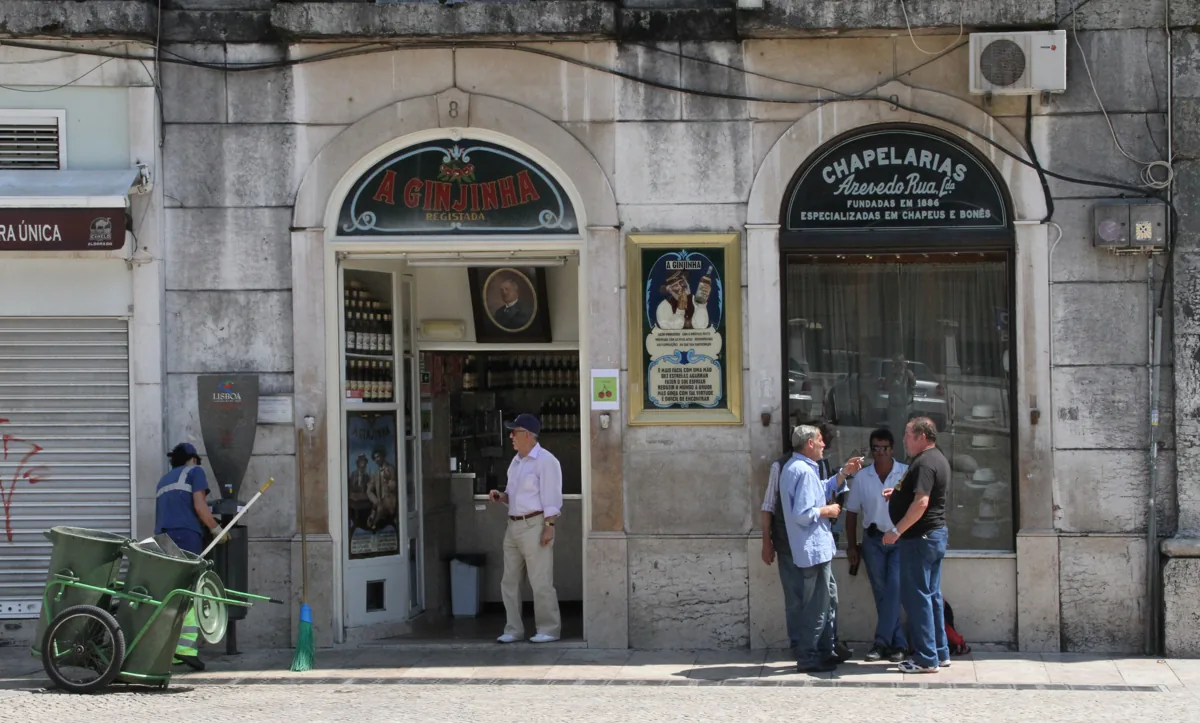
The currency is the euro and cards are taken nearly everywhere except the ginjinha hatches. The clock is WET in winter and WEST in summer, the same as the UK and one hour behind Spain, which catches people crossing from Seville or Madrid. Two things the city adds to a first visit that the hotel rate does not show: the municipal tourist tax and the ticket bill.
Charged by the hotel or host at €4 per person per night from age 13, for up to 7 nights, so a couple on a five-night stay pays €40 (about $47) on top of the room. The exemption list sits in the municipal fee regulation and the service page would not load for us, so we print the figures the city's own page shows in search and nothing more. Children under 13 are not charged.
Official adult prices as published on 29 August 2026, buying a slot where one is needed. The Lisboa Card at €62 for 72 hours (about $73) covers Jerónimos, the tower and the castle in full, €50 of the rows below, and cuts the Sé and the Carmo to €5 each; it never covers Pena, and Cristo Rei is not on its list. On this exact bill the card is about even on tickets and the gain is the transport, including the Sintra train; the arithmetic for other lists is on the Lisboa Card page.
| Ticket | Official price | Approx. USD | Day |
|---|---|---|---|
| Jerónimos cloister | €18 | $21 | 1 |
| Belém Tower, timed slot | €15 | $18 | 1 |
| São Jorge Castle | €17 | $20 | 1 |
| Sé cathedral | €7 | $8 | 2 |
| Carmo Convent | €7 | $8 | 2 |
| Cristo Rei lift | €10 | $12 | 2 |
| Pena park and palace, timed slot | €45 | $53 | 3 |
| CP train to Sintra, each way | €2.45 | $2.90 | 3 |
A museum day in the city runs about €40 (about $47) in tickets on the list above plus €7.25 for the transit day pass; a Sintra day runs €45 for Pena plus the train, or €39 to €85 for a coach day depending on whether the palace ticket is inside the price. The Sintra fare of €2.45 comes from a search snippet of the CP zone table rather than a parsed page, so treat it as approximate. Food and rooms by price band are on Lisbon costs.
Sintra is the most crowded day trip in Portugal and the one every first-timer takes; the coach cards below bundle it with Cabo da Roca and Cascais, 45 minutes west, and leave the Pena ticket to you unless the card says otherwise. Arrábida is 40 minutes south and the crowd-free alternative; Comporta, 90 minutes south, is the beach the indie guides push. Praia da Ursa, 4 minutes' drive from Cabo da Roca with a steep 10 to 20 minute descent, is the beach the coaches skip. Prices are the platform's on 29 August 2026.
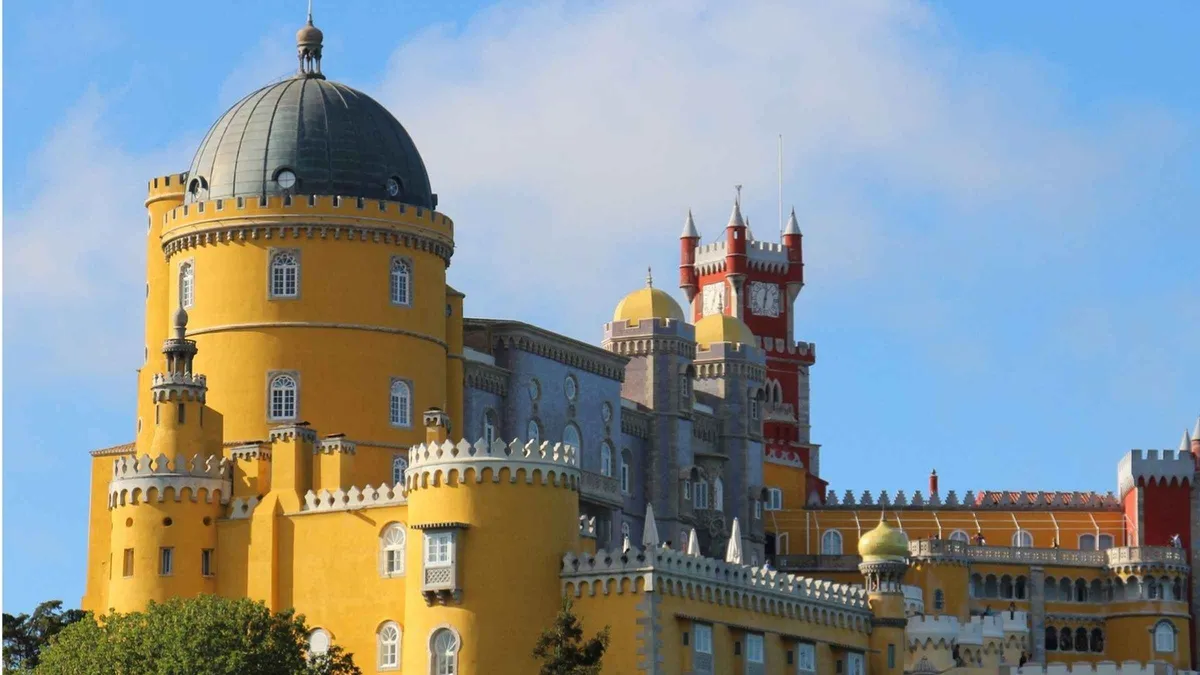 from €44
listed at $28.03
Ten-hour Sintra circuit at the low end of the price range: Pena Palace and Quinta da Regaleira, free time at Cabo da Roca, then Cascais, Guincho and Estoril. Confirm on the listing which entrance tickets the price covers.
Check Availability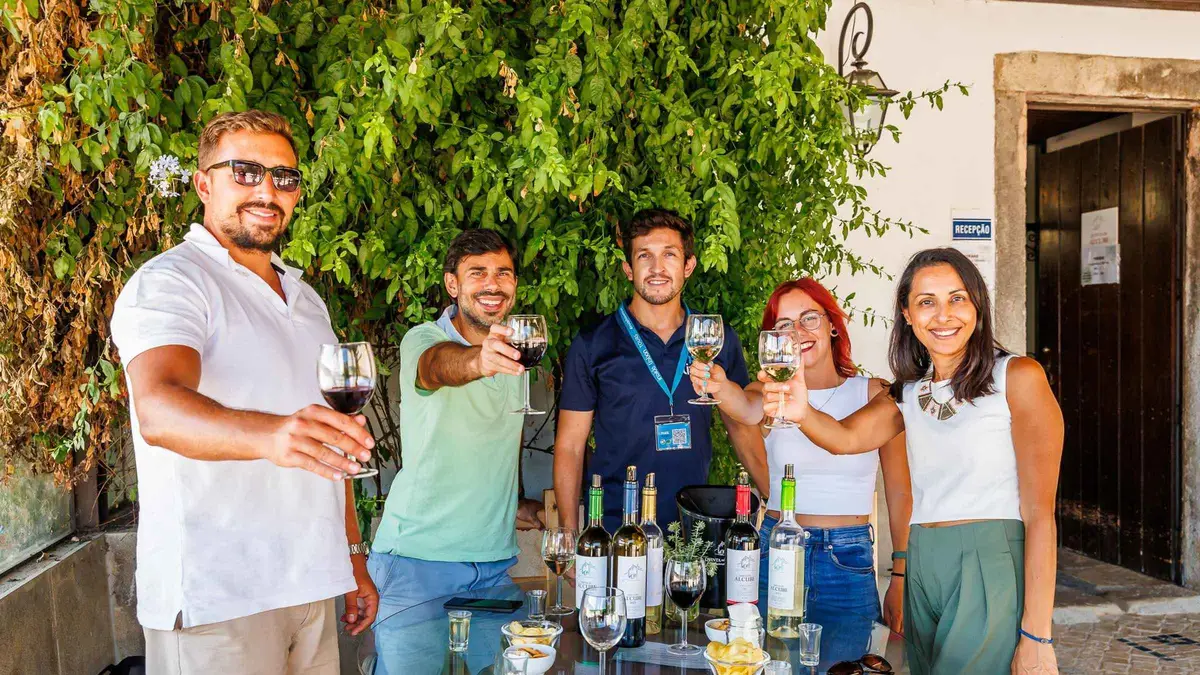 from €72
listed at $83.41
Eight-hour drive through Arrábida Natural Park to Setúbal and Sesimbra with a wine estate and cellar visit. The scenic, sit-down alternative to the kayak.
Check Availability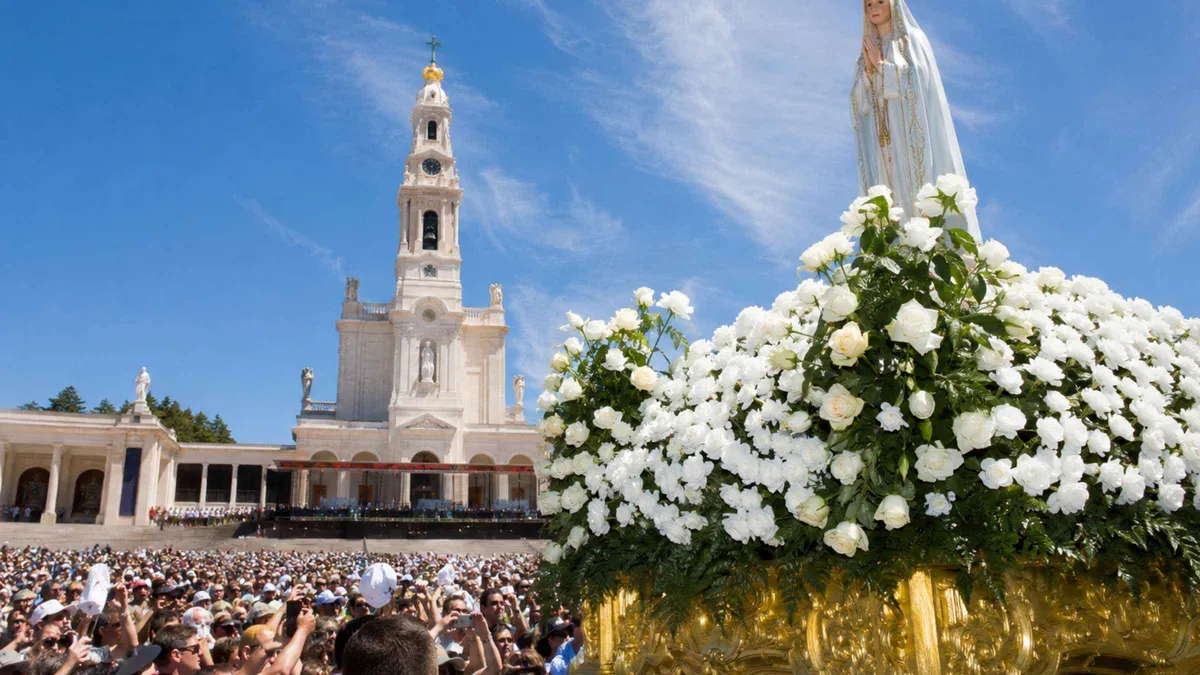 from €56
listed at $38.92
Ten-hour guided loop through Fátima, Nazaré, Batalha and Óbidos from Lisbon. Four stops in one day means about an hour or so at each.
Check AvailabilityPrices, ratings and details are the platform's own. Dollar figures are the listed prices. The platform bills in your account's currency.
Every area worth sleeping in is inside a 25-minute walk or a short Metro ride of Praça do Comércio, so the choice is about hills, noise and mornings, not distance: Chiado for a first visit, Príncipe Real or Santos for a week, Alfama only if the stairs are part of the plan, never Bairro Alto if you sleep before 03:00. The €4 nightly tax applies everywhere in the municipality. Where to stay puts the areas side by side with walk minutes and the hotel search opens on that page, not here.
Three ways to spend the hours after the museums close, each a card most readers on this site end up comparing. Fado is sung in small rooms in Alfama and Bairro Alto from about 20:00; the river cruises leave from the Cais do Sodré and Belém piers; the food walks start around 17:00 and replace dinner. Prices are the platform's on 29 August 2026.
 from €20
listed at $15.06
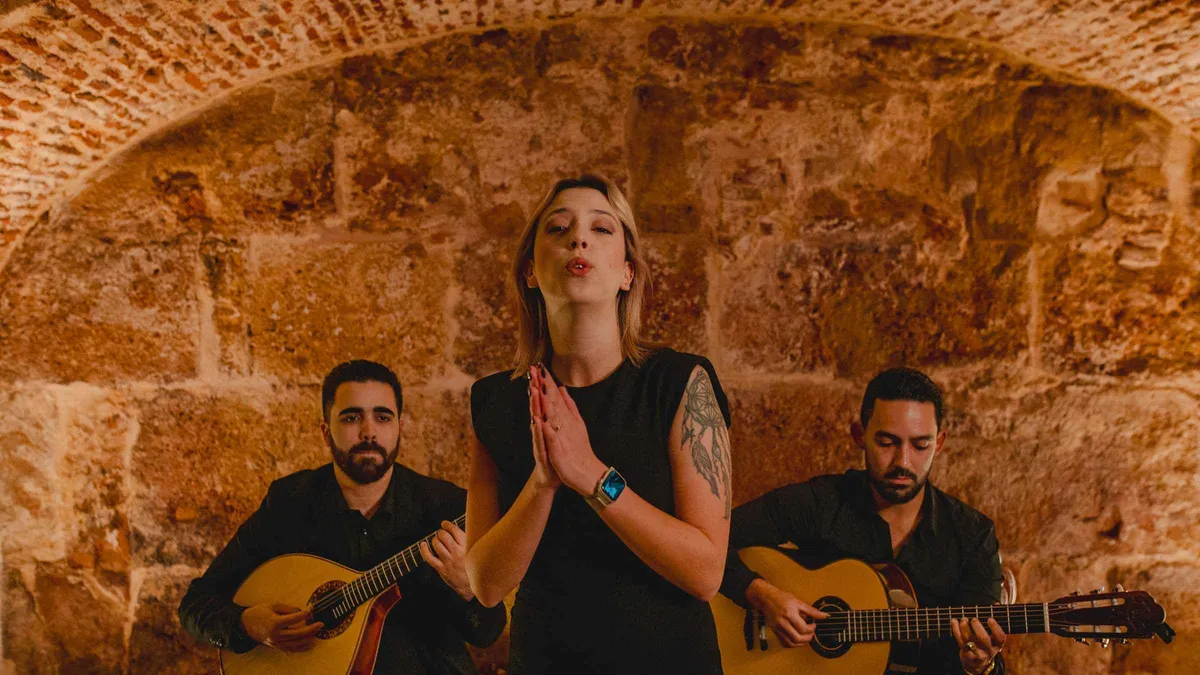
Fifty-minute live Fado show with explanations between songs and a glass of wine. A show, not a dinner — eat before or after.
Check Availability from €20
listed at $23.05
Two-hour sunset sail aboard the historic Barco EVORA with music and one welcome drink each. Calmer than the DJ party boat, longer than the 90-minute cruise.
Check Availability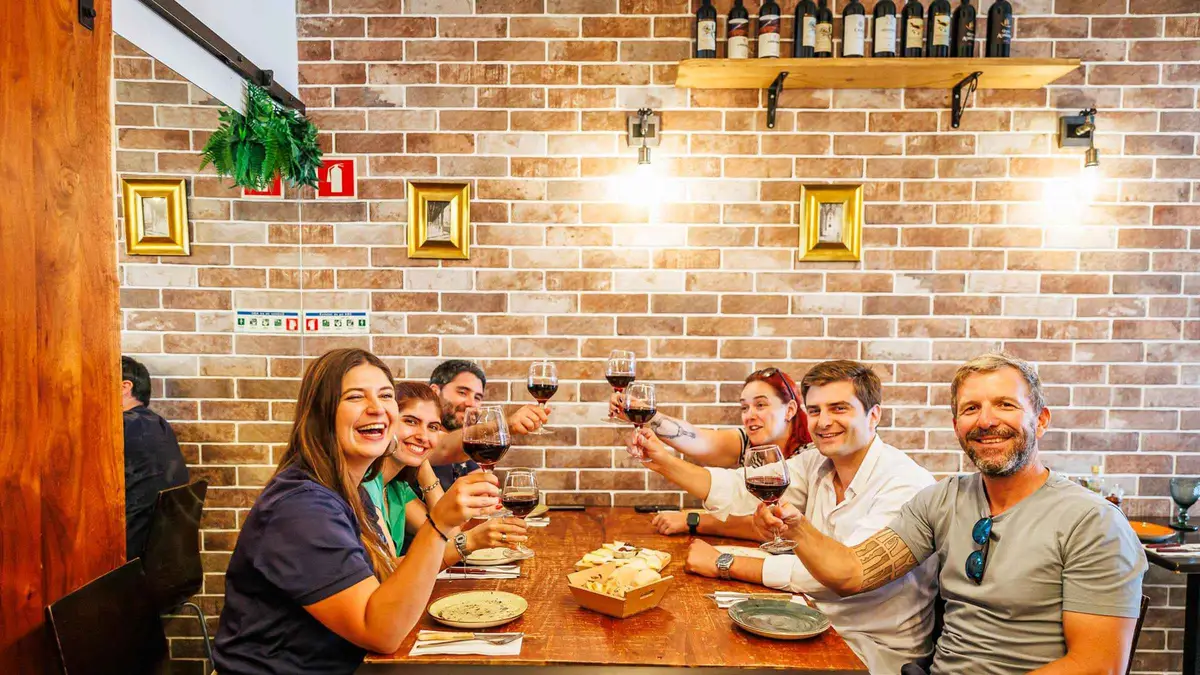 from €70
listed at $81.09
Three-hour small-group food walk with 15 food and wine tastings and a culinary guide. Arrive hungry — 15 stops is a full meal.
Check AvailabilityPrices, ratings and details are the platform's own. Dollar figures are the listed prices. The platform bills in your account's currency.
The things people ask before they book anything, each answered from the page that owns it.
On the numbers it is a cheap capital with two UNESCO monuments, a €1.90 (about $2.20) transit fare and a coast forty minutes away. What it is not is easy underfoot: seven hills, polished calçada paving and, since 3 September 2025, four of the lifts that used to spare you the climbs. The honest case, and the case against.
No. EPAL, the utility, runs about 300,000 quality tests a year on Lisbon's supply and publishes more than 99% compliance with Portuguese and European standards. The faint chlorine edge some people notice is a treatment fact, not a warning. The utility's own numbers.
Both Belém monuments, the Coach Museum, the Pantheon and every other state site: Museus e Monumentos de Portugal shuts them all. São Jorge Castle, the cathedral, the Oceanário and Sintra's Pena stay open, so Monday is the castle-and-Alfama day. What is open on each closed day.
Portuguese unions must file a strike notice at least five working days ahead under article 534 of the Labour Code, and ten where minimum services apply, so nothing lands without warning. Metro de Lisboa's own strike archive listed nothing after 14 April 2026 when we read it. Where the notices are published.
Glória, Bica, Lavra and the Santa Justa Lift have all been closed since the Glória derailment of 3 September 2025, and Carris has published no reopening date. Buses 51E, 22B and 19B run the three funicular routes instead. The current status of each one.
For anything inside Lisbon a train or tram does: the monuments sell their own tickets at the gate and the fare is €1.72 with zapping. Sintra, Évora and the Alentejo are where a coach earns its price, because the day has three stops and two timetables. All 52 tours, with the gate price beside each.
Yes. English is the working language of every hotel, museum and ticket office on this site, prices are printed and cards are taken almost everywhere, and the tourist police station at Palácio Foz on Praça dos Restauradores works in English. The things that trip Americans up are the couvert charge and the tram-28 pickpockets, both covered under do and don'ts. The US dollar is not accepted; the currency is the euro, and every price here carries an approximate dollar figure at €1 = $1.17.
Seven hills on the Tagus, the second-oldest capital in Europe after Athens, rebuilt on a grid after the 1755 earthquake with Alfama left standing beside it; two UNESCO Manueline monuments in Belém; trams since 1901 and a tile tradition on every facade. Add the light off the river, the pastel de nata and fado in a room of twenty people. The eight places on the must-see list are where those things are, in walking order.
Do wear grippy shoes for the calçada, ride Tram 28 early with your bag in front, send the couvert back untouched if you do not want it, and book the Pena slot with 40 minutes to spare. Do not speak Spanish as a shortcut, plan a hill on the funiculars while they are closed, or build a Sunday around the Sé and the Carmo Convent, which close. The full list with the reasoning is under do and don'ts above.
Yes, everywhere a visitor goes. English is widely spoken in hotels, restaurants, museums and on public transport in the centre, and menus are printed in it. A bom dia on the way in and an obrigado on the way out cover the courtesy. The one shortcut to avoid is Spanish: understood, not appreciated. Staying connected covers the eSIM and roaming side; EU roam-like-at-home runs to 2032 for European phones.
Three nights for the city on its own: a Belém morning and a hill afternoon per day, with the Jerónimos slot and the Belém Tower slot booked, then Sintra as the third day. Four to seven nights if Cascais, Arrábida or Évora come in. The how-many-days planner shows what fits in each and what to skip.
For a three-day list it is about even on tickets and wins on transport: €62 for 72 hours covers Jerónimos, Belém Tower and the castle, €50 together in the ticket bill, cuts the Sé and Carmo to €5 each, and adds the Metro, the trams and the Sintra and Cascais trains. It never includes Pena Palace or the Moorish Castle, both only discounted add-ons, and Belém Tower and Jerónimos still need a time slot booked after you collect the physical card at an Ask Me Lisboa office. The arithmetic for one, two and three days is on the Lisboa Card page; the pass itself is the 24, 48 or 72-hour Lisboa Card.
May, September or October on the IPMA normals: highs of 23 to 27°C, fewer than nine rain days, and the castle still on its 21:00 summer hours through October. August is the hottest month, with 10.2 days above 30°C on average, and the peak for Belém and Pena slots. November is the wettest. The month chart and the best time to visit go month by month.
The red Metro line from the Aeroporto station, €1.90 on a single ticket loaded onto a €0.50 navegante card, no surcharge, changing at Alameda for Baixa; about 25 min by most estimates, since Metro de Lisboa publishes none. Bus 744 goes to Restauradores at €2.30 on board. The Aerobus no longer appears on any official tariff page. With luggage after 01:00, when the Metro stops, a private transfer or a taxi is the option; taxi fares are not on an official page. Detail on getting around.
Yes: €4 per person per night, charged by the accommodation from age 13 and capped at 7 nights, so a week for two is €56 (about $66). Cruise arrivals pay a separate charge whose amount the city page does not display. The exemption list sits in the municipal regulation and is summarised on where to stay.
Three filmed guides to the city, one for the sights, one for a single day and one for three. Between them they show what the written pages here cannot: the gradient of the hills, the light on the river and how crowded Tram 28 looks at noon.
The main sights on the must-see list above, filmed in walking order across Belém and the hills.
Video: Martijn Around The World - TravelA one-day route close to the Belém-morning, castle-sunset plan in the days table.
Video: the tour guyThree days with a Sintra day inside them, the plan most readers of this site end up on.
Video: Itinerary InsidersVideos load from YouTube only when you press play. Prices and closures mentioned on camera may predate the 2026 changes printed on this page.
The office, phone and email above belong to the city's own visitor service, published on the official tourism site and checked on 2026-08-29 — they are not this site's contact details. To reach us, use the contact page.