 Visit Lisbon Guide
Lisbon Rainy Day: What Closes, What Opens, and a Dry Route With Slot Times
A Lisbon rainy day is a winter event, and a specific one: the Instituto Português do Mar e da Atmosfera's 1991–2020 normals for the Lisboa Geofísico station give November 133.9 mm over 9.9 wet days, January 103.8 mm over 10, and July 2.6 mm over 0.6 of a day. So the question is not whether it rains but which months, and what a wet morning does to a plan built on hills, viewpoints and an open-roofed convent. The answer is more forgiving than the weather: the Oceanário, MAAT, the Coach Museum, the Gulbenkian, the Jerónimos cloister and Time Out Market are all under a roof, the metro connects them, and no Lisbon venue publishes a wet-weather closure rule — which is itself the finding, printed below beside what the venues do say about their terraces and ramparts. This page is the rain by month, the closures, and an indoor route with the slot times that make it work, read from IPMA and the official venue pages on 29 August 2026. The dry-weather version of the city is on things to do in Lisbon; the whole guide starts at what to do in Lisbon.
Quick answer How wet, which months, what closes, and where to be at 10:00
Lisbon's wet season runs October to April; November is the wettest month at 133.9 mm over about ten rainy days, and June to August average under six millimetres a month between them, all per IPMA's 1991–2020 normals. Nothing official closes for rain — not one venue we read publishes a wet-weather rule — but the roofless Carmo Convent, the castle ramparts, the Belém Tower terrace and every miradouro are simply worse, and the calçada pavements turn slippery. The indoor city is the Oceanário, MAAT, the Coach Museum, the Gulbenkian, the Jerónimos cloister and Time Out Market, all reachable by metro and the 15E tram.
Key takeaways
- Start dry at 10:00 in Belém: the Coach Museum opens at 10:00 and the Jerónimos cloister at 09:30; the Jerónimos entrance ticket is a plain entry with no slot to miss if the tram is slow.
- Finish at the Oceanário on the 16:00–18:30 tier — €25 rather than the morning's €29 — with the dry route putting you on the red line to Oriente by 15:30.
- Rain is the day for the two indoor classes: the pastel de nata baking class is two hours under a roof, and the azulejo tile workshop replaces the Museu Nacional do Azulejo, which has been closed since 1 November 2025 anyway.
- Save the hills for a dry day: the castle stays open but its ramparts are the wettest place in the city, and the funiculars that would carry you up are closed regardless of weather.
How often it actually rains in Lisbon
Every figure in this section is IPMA's 1991–2020 climate normal for the Lisboa Geofísico station, the official thirty-year series, read on 29 August 2026.
Lisbon receives 793.5 mm of rain in an average year, almost all of it between October and April. The shape is Atlantic: long fronts that rain for a day or two, then clear, rather than the afternoon storm of a continental summer. The wet-day count is the number that matters for a plan — a day with at least a millimetre — and it runs at about ten a month from November to January, drops to under eight in February, March and April, and collapses to two in June and less than one in July.
The average high never falls below 15 °C, so a January rain is a cool rain, not a cold one; it is the wind off the river that makes a wet Praça do Comércio feel like a deck.
What the normals cannot tell you is the day. A November week can be dry throughout, and a May weekend can drop half its month's rain in an afternoon. IPMA publishes a ten-day forecast on ipma.pt, in English, for Lisboa city, and the practical rule is to read it two days out and move the hill day and the Sintra day to the driest slot, keeping the indoor route below for whatever remains.
Rain by month: how many wet days, how much water
IPMA's 1991–2020 normals for Lisboa Geofísico, read on 29 August 2026: rainfall, days with at least one millimetre, the average high, and what that means for a day in the city. The last column is our reading of the numbers, not an official one.
| Month | Rain | Wet days | Average high | What a wet day is like |
|---|---|---|---|---|
| January | 103.8 mm | 10.0 | 15.1 °C (59 °F) | Grey fronts, mild; an indoor day about one day in three |
| February | 77.8 mm | 7.9 | 16.4 °C (62 °F) | Showery; mornings often clear |
| March | 68.7 mm | 7.6 | 18.9 °C (66 °F) | Changeable; the castle can be dry by lunch |
| April | 71.8 mm | 7.9 | 20.4 °C (69 °F) | Bright and wet in turns; carry, do not plan |
| May | 57.8 mm | 5.8 | 23.1 °C (74 °F) | Rare, short; the terraces reopen within the hour |
| June | 14.1 mm | 2.0 | 26.1 °C (79 °F) | Almost none |
| July | 2.6 mm | 0.6 | 28.2 °C (83 °F) | None to plan for |
| August | 5.4 mm | 1.1 | 28.8 °C (84 °F) | None to plan for |
| September | 38.6 mm | 3.8 | 26.6 °C (80 °F) | First fronts late in the month |
| October | 110.6 mm | 8.7 | 22.8 °C (73 °F) | The autumn switch: warm, and suddenly wet |
| November | 133.9 mm | 9.9 | 18.1 °C (65 °F) | The wettest month; the indoor route earns its keep |
| December | 108.5 mm | 10.0 | 15.4 °C (60 °F) | Like January; short days end at 17:30 |
The annual total is 793.5 mm. The record high of 43.3 °C on 4 August 2018 is the other extreme the same station holds; the summer question is heat, not rain, and it is on the best time to visit.
What the rain actually closes
Read from each venue's official page on 29 August 2026. The pattern is absence: Lisbon venues publish daylight rules and holiday closures, and not one publishes a rain rule.
Nothing in Lisbon closes because it is raining, on paper. The castle's page says its ramparts and towers close "by daylight" between 18:00 and 21:00 in summer and at 17:30 in winter — a light rule, not a weather one. The Oceanário, MAAT, the Coach Museum, the Panteão and the Sé publish hours and holidays only.
The Parque das Nações cable car publishes seasonal hours and a maintenance closure from 17 November to 5 December on a reseller page, and no wind rule on any page we could reach; its own site refused to serve. So a wet day is a day when open-air places are open and miserable, which is a planning problem rather than a ticketing one.
The table below compares what the rain actually closes; Read from each venue's official page on 29 August 2026. The pattern is absence: Lisbon venues publish daylight rules and holiday closures, and not one publishes a rain rule.
| Sight | Published wet-weather rule | What the rain does to it | Do this instead |
|---|---|---|---|
| Carmo Convent | None — open Monday–Saturday 10:00–18:00 or 19:00 | The nave has no roof since 1755; it is the wettest room in the city | The Coach Museum, 50 minutes by 15E |
| São Jorge Castle ramparts | Close by daylight, not by rain | Wet stone stairs, no shelter on the walls | Go for the last dry hour before 21:00 in summer |
| Belém Tower | None published; timed slots since 27 May 2026 | Open terrace, four floors of stairs, no refund stated for a missed slot | The Jerónimos cloister next door, covered arcades |
| Padrão dos Descobrimentos viewpoint | None | Open rooftop; the exhibition and film below stay dry | Do the film, skip the roof |
| Every miradouro | Public squares, no rule | No view in low cloud, slippery calçada | The Arco da Rua Augusta lift and 74 steps, five minutes from cover |
| Parque das Nações cable car | Not stated; the operator's site would not load | Enclosed cabins; runs unless the operator stops it | The Oceanário beneath it |
| Tram 28 | None | Runs; the windows steam and the queue at Martim Moniz stands in the rain | The tram 28 ride with a walking tour on a drier day |
And the one closure that has nothing to do with weather
The Museu Nacional do Azulejo — the obvious wet-day museum in every older guide — has been closed since 1 November 2025 for building works with no reopening date on its page, and its shop has moved to the Palácio Foz on Restauradores. Cross it off, and put the tile workshop or the Gulbenkian in its place.
Your wet day, hour by hour
Hours and prices from the official pages read on 29 August 2026; walk and tram minutes are our estimates. The route is built on two flat districts joined by the metro so that the rain is met at doorways, not on hills.
Morning: Belém under cover, 09:30 to 13:00
Take the 15E from Praça da Figueira; its new articulated trams are enclosed and low-floor, and the stop at Mosteiro dos Jerónimos is across the road from the door. The cloister opens at 09:30 and the covered arcades are the point — two storeys of Manueline stone that the rain only improves. €18, last entry 17:00, plain entry ticket with no slot. The church is free and opens at 10:30.
At 11:30 walk five minutes to the Coach Museum, open 10:00–18:00, €15, one enormous dry hall of gilded carriages. Lunch is the Pastéis de Belém queue, which on a wet morning is short and indoors; the café rooms behind the counter seat hundreds and the bakery is open every day of the year from 08:00.
Early afternoon: MAAT or the Gulbenkian, 13:30 to 15:30
MAAT is ten minutes' walk east along the river from Belém, open Wednesday to Monday 10:00–19:00, €16 for a non-resident, €8 on the Thursday and Friday happy hour from 19:00. Its curved roof is walkable and useless in rain; its galleries are the reason to go. If the day is a Tuesday, when MAAT closes, take the 15E back and the blue line to São Sebastião for the Gulbenkian, open Wednesday to Monday 10:00–18:00, closed Tuesdays too — so on a Tuesday the Coach Museum's Picadeiro Real and the Panteão are the substitutes, and the Panteão is on the way to the evening.
Late afternoon: the Oceanário's cheap tier, 16:00 to 18:30
The metro red line runs to Oriente; the Oceanário is a ten-minute walk through the covered Vasco da Gama shopping centre and along the marina, or the cable car if it is running. Enter on the 16:00–18:30 tier at €25 for an adult, €15 for a child of 3 to 12 and €17 for a senior — the morning tier is €29, €17 and €19 for the same building. Last entry is 19:00 and the doors close at 20:00; two hours is enough.
The Oceanário entrance ticket is sold as a plain entry.
Evening: Time Out Market, then fado under a vault
The green line from Oriente changes at Alameda to reach Cais do Sodré; Time Out Market is opposite the station, open to midnight from Sunday to Wednesday and to 02:00 Thursday to Saturday, twenty-six kitchens under one iron roof and no ticket. The wet-night fado options are all indoors: the show inside the medieval walls with wine, the Lisboa em Fado evening with port and the Chiado show are 50 minutes to an hour each, and the Chiado one is a three-minute walk from the Baixa-Chiado metro lifts.
Where the covered walking is
Lisbon has no arcaded city centre in the Bologna sense; these are the stretches that keep a walker dry, named so you can string them together.
Praça do Comércio's three arcaded sides are the longest run of cover in the old city, and the Rua Augusta arch leads under it into the Baixa grid, whose shop awnings do the rest. The Baixa-Chiado metro station's escalators climb the ridge underground and put you out at Largo do Chiado beside the Brasileira café; Armazéns do Chiado, the shopping centre above the station, is the dry way between Rua do Carmo and Rua Garrett. The Jerónimos cloister and the Coach Museum are cover in themselves.
Out east, the Vasco da Gama centre links Oriente station to the marina under one roof, and the Oceanário's ticket hall is a minute beyond it. The market at Cais do Sodré is a roof over a square. Everything else is umbrella.
The wet-weather trades
What a first-timer usually plans, what a wet day does to it, and the swap that keeps the money and the hours, priced from the official pages and the platform listings on 29 August 2026.
| What you planned | What the rain does | Swap it for | Why that works |
|---|---|---|---|
| Castle ramparts in the morning | Wet stairs, no shelter, cloud on the view | Jerónimos cloister at 09:30 | Covered arcades, no slot, €18; the castle stays open to 21:00 in summer for a dry evening |
| Tram 28 to Graça and the miradouros | Steamed windows, a queue in the rain, no view at the top | The 15E to Belém | Enclosed, low-floor, and it ends at three museums |
| Museu Nacional do Azulejo | Closed since 1 November 2025 regardless | Tile workshop, €55, 2.5 hours | Under a roof, and you take a tile home |
| Belém Tower terrace slot | Open terrace, four floors of stairs, no refund stated | Coach Museum, €15, 10:00–18:00 | Same district, one hall, no slot |
| Sintra and Pena Palace | The park is outdoors and the Pena slot has zero tolerance | Move the day; the Sintra day with tickets cancels free 24 hours ahead | The forecast, not the slot, decides |
| An evening on a miradouro | Nothing to see | Fado in Chiado or the food and wine walk | Both indoors, both three minutes from a metro lift |
The trades are ours; the closures and prices are the venues' and the platform's.
Day trips in the rain
Each verdict weighs what the destination is for against what rain does to it; transport facts from the CP tariff and the operators' listings, read on 29 August 2026.
Sintra is a hill town of gardens and terraces; in rain the Pena park is a mud walk, the 30 minutes from gate to palace door are uphill in the wet and the slot does not wait. Move it. Cascais is a beach town and the same logic applies, with the exception that the €5.10 return from Cais do Sodré is cheap enough to gamble on a clearing afternoon.
Évora and Óbidos are walled towns with churches and a cathedral, which are dry; the Évora and megaliths day loses its megaliths to the weather and keeps everything else. Porto in the rain is Porto — the Porto, Óbidos and Nazaré coach day at €110 spends twelve hours mostly on a coach and in a city that expects rain, and it is the one day trip the weather barely changes. Fátima is a basilica and a square; the Fátima, Batalha, Nazaré and Óbidos day is largely indoors except for the Nazaré cliff, which is the point of Nazaré.
Rain reshapes the day trips more than the city itself, which is why the best tours in Lisbon sorted for wet weather are easier to pick from the full list of tours in Lisbon.
Umbrellas, cloakrooms and drying out
The small facts from the venue pages, read on 29 August 2026.
The Oceanário has 39 paid lockers on floor 0 in three sizes and turns away anything larger; MAAT has lockers, a shop and an ATM by the ticket office; the Pavilhão has lockers for small items by the ticket desk on floor 1. Jerónimos, the Coach Museum and the castle publish nothing about cloakrooms, and the castle's toilets, except the museum's, have baby-changing tables. Umbrellas are sold at every metro-station kiosk and every Baixa doorway the moment it starts.
The calçada is the practical hazard: wet limestone setts are slippery, the Rossio wave pattern worst of all, and a rubber sole is worth more than a raincoat. A wet 24-hour Carris and Metro ticket at €7.25 is the same price as a dry one, and the day it buys — 15E out, metro across, metro back — is exactly the route above.
The rain in the city's own story
Context rather than planning: why Lisbon's most-visited ruin is roofless, and why the wet season ends where it does.
The Carmo Convent's roof came down on 1 November 1755, All Saints' Day, when the earthquake struck at about 09:40 with the churches full; the fire and the wave that followed did the rest of the city. The nave was left open as a memorial and has stood roofless since, which is why it is the one museum in Lisbon that a wet day genuinely spoils. The rebuilt Baixa below it was laid out on the Pombaline grid with the arcades you shelter under today.
As for the season: the Atlantic fronts that bring the winter rain are the same weather that makes the summer dry, the Azores high pushing them north from June to September — the reason the July figure is 2.6 mm and the reason the ramparts are worth the wait.
The indoor bookings worth a fixed slot
Six cards for a wet forecast: two plain museum entries, two classes under a roof, a fado evening and a food walk that ends indoors. Prices are the platform's euro listings, read on 29 August 2026.
 from €25
Lisbon: Oceanário de Lisboa Entrance Ticket
listed at $28.96
Pre-booked entry to the Oceanário in Parque das Nações — 8,000-plus animals across four ocean habitats around one central tank. The official site sells the same ticket.
Check Availability from €18
Lisbon: Jerónimos Monastery Entrance Ticket
listed at $20.85
Plain entry ticket to the 16th-century Manueline monastery in Belém. The official shop sells the same ticket — compare before booking.
Check Availability from €55
Lisbon: Pastel de Nata Baking Class
listed at $63.71
Two-hour hands-on class where you make pastéis de nata from scratch with a chef, then eat them warm with local drinks. Baking, not a tour.
Check Availability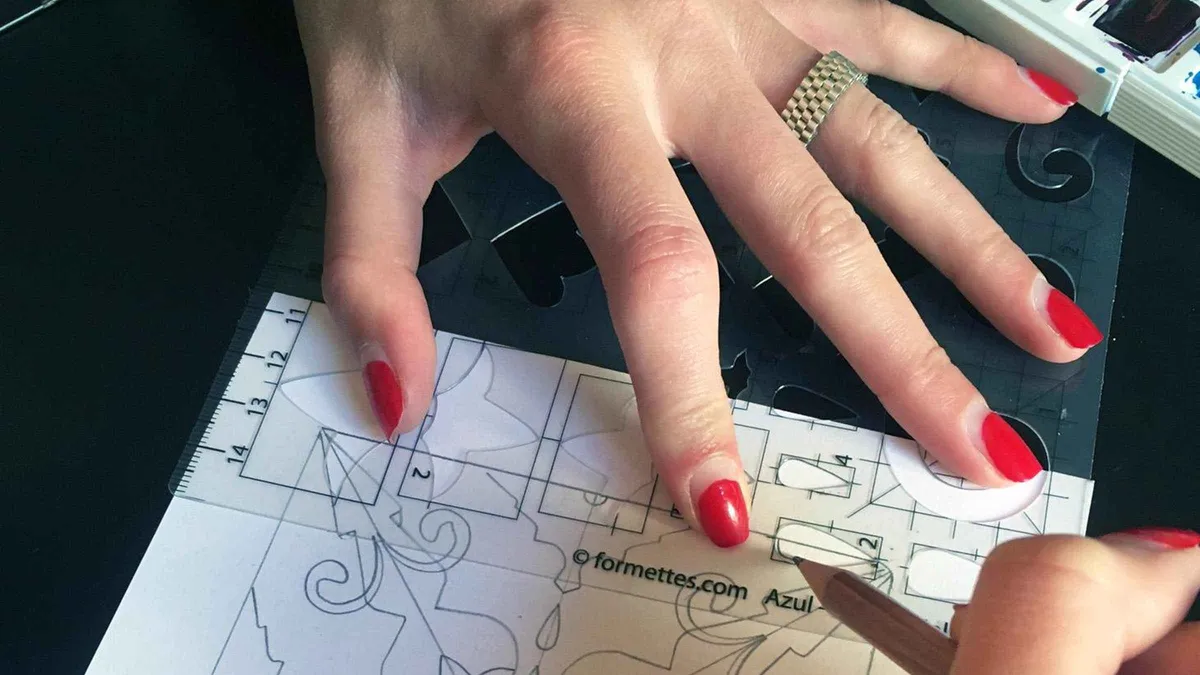 from €55
Lisbon: Azulejos' Design Create Your Own Tile Workshop
listed at $63.71
Two-and-a-half-hour workshop where you draw and paint your own geometric azulejo to take home. Pairs with, but does not include, the National Tile Museum.
Check Availability from €20
Lisbon: Top-Rated Authentic Fado Show & Wine
listed at $15.06
Fifty-minute live Fado show with explanations between songs and a glass of wine. A show, not a dinner — eat before or after.
Check Availability from €70
Lisbon: Food and Wine Small Group Walking Tour
listed at $81.09
Three-hour small-group food walk with 15 food and wine tastings and a culinary guide. Arrive hungry — 15 stops is a full meal.
Check AvailabilityPrices, ratings and details are the platform's own. Dollar figures are the listed prices. The platform bills in your account's currency.
Map: the wet-day route
Terracotta pins are the indoor stops of the route above, in order from Belém to Cais do Sodré; green pins are the open-air sights the rain spoils. The metro and the 15E join them, so the walking is doorway to doorway.
Rain in Lisbon: the questions
Which month is the rainiest in Lisbon?
November, at 133.9 mm over 9.9 wet days in IPMA's 1991–2020 normals; October, December and January are close behind at 104 to 111 mm. July is the driest at 2.6 mm. The full month table has all twelve.
Is Lisbon rainy?
In winter, moderately: about ten wet days a month from November to January, with mild highs of 15 to 16 °C. From June to September it is one of the driest capitals in Europe. The how-often section explains the Atlantic pattern and how to read IPMA's ten-day forecast.
What is there to do in Lisbon when it rains?
The indoor city: the Jerónimos cloister, the Coach Museum, MAAT, the Gulbenkian, the Oceanário and Time Out Market, joined by the 15E tram and the metro. The hour-by-hour route puts them in order with slot times; the Oceanário ticket and the pastel de nata class are the two bookings worth making the night before.
Does anything in Lisbon close when it rains?
Officially, nothing: no venue publishes a wet-weather rule. The castle ramparts close by daylight, and the roofless Carmo Convent, Belém Tower's terrace and every miradouro stay open and get wet. The closures table lists each with its swap.
Is the Oceanário a good rainy-day option in Lisbon?
The best one, and cheaper late: €25 on the 16:00–18:30 tier against €29 in the morning, last entry 19:00, with 39 lockers and a step-free route. The Oceanário entrance ticket is a plain entry; the route reaches it by metro at 15:30.
Should I go to Sintra on a rainy day from Lisbon?
No. Pena's park is outdoors, the walk from gate to palace is thirty minutes uphill and the slot has zero tolerance; the Sintra day with tickets cancels free up to 24 hours before, so move it to the driest day of the forecast — the day-trip verdicts cover the rest.
What should a family do in Lisbon when it rains?
Oriente: the Pavilhão do Conhecimento (€15 adults, €10 for 3 to 17, €35 family, pushchairs to borrow) and the Oceanário next door, both step-free and both reached under the roof of the Vasco da Gama centre. The route's late-afternoon leg is built for it; the Lisbon with kids page has the ages and prices.
Plan around the weather
The month to come
The IPMA temperature chart and the crowd calendar for the whole year: best time to visit Lisbon.
Twelve months, one chartThe dry-day city
The hills, the miradouros, the ramparts and the tram, for the day the forecast clears: things to do in Lisbon.
The other twenty-five sightsThe district with a roof
Oceanário, Pavilhão, cable car and the covered walk from the station: Parque das Nações. Or start again at things to see in Lisbon.
Red line to OrienteLisbon in the Rain on Video
Three films shot on wet days, one plan of what to do, one walk in heavy rain and one park visit, which show how slippery the calçada gets, the warning this page repeats.
WHAT TO DO When It's Raining IN LISBON, Portugal 🇵🇹 | Ryan Pelle
A what-to-do list for a rainy Lisbon day, close to the indoor list above.
Video: Ryan PelleA Very Rainy Day in Lisbon PORTUGAL
A walk through a very wet afternoon, showing the pavement conditions mentioned above.
Video: Lisbon WalkerLisbon on a Rainy Afternoon | Lisbon PORTUGAL
A rainy afternoon in the old town, the light and the empty miradouros.
Video: Lisbon WalkerVideos load from YouTube only when you press play. Prices and closures mentioned on camera may predate the 2026 changes printed on this page.
Prices, hours and terms are set by the venue or operator and confirmed at checkout.
We may earn a commission if you book through one of our links, at no extra cost to you. Full affiliate disclosure